The textile industry operates as one of the most water-intensive sectors globally. Processing facilities generate complex effluent streams loaded with high chemical oxygen demand (COD), biological oxygen demand (BOD), heavy metals, and persistent synthetic dyes. Plant operators face a strict dual mandate. You must comply with increasingly rigid environmental discharge regulations while simultaneously mitigating the rising costs of freshwater procurement and wastewater disposal. Failing to adequately treat this effluent carries severe consequences, including sudden operational shutdowns, heavy municipal fines, and lasting reputational damage. Selecting the right textile wastewater treatment equipment requires moving far beyond generic solutions. Facility managers must match specific hardware and treatment methodologies with their exact effluent profiles, physical footprint constraints, and long-term water reuse targets, such as achieving Zero Liquid Discharge (ZLD). We will evaluate specific equipment categories and provide a framework for upgrading your facility's wastewater infrastructure.
Effluent Profiling Dictates Hardware: There is no universal solution; equipment selection must be reverse-engineered from a facility’s specific mix of dyes, sizing agents, and finishing chemicals.
Biological and Physical-Chemical Synergy: Effective treatment typically requires a multi-stage approach, combining primary clarification (like DAF) with advanced biological reactors (like MBBR) to handle high organic loads.
Tertiary Systems Drive ROI: Advanced membrane filtration and evaporation equipment transform wastewater from a compliance liability into a reusable resource, offsetting high initial CapEx through long-term water and chemical recovery.
The Business Case for Upgrading Textile Effluent Systems
Upgrading wastewater infrastructure represents a strategic operational necessity rather than a mere compliance exercise. Legacy systems routinely struggle to process the complex chemistry of modern synthetic dyes and finishing agents. This mismatch leads directly to compliance failures and production bottlenecks on the factory floor. Establishing a clear business case requires defining exact engineering success criteria based on your facility's production goals and local regulatory frameworks.
Defining Success Criteria
Before evaluating specific hardware, plant engineers must establish baseline metrics for equipment performance. These metrics dictate the sizing, pump capacities, and technology selection for the entire treatment train. Key performance indicators include target COD and BOD reduction percentages. Raw textile effluent often enters the plant at several thousand milligrams per liter of COD and must drop to strict municipal discharge limits, sometimes below 100 mg/L. Color removal efficacy is equally critical. Residual dyes remain highly visible even at low concentrations, and environmental agencies regulate color heavily. Total dissolved solids (TDS) limits also dictate equipment selection. High TDS levels require advanced demineralization equipment if the facility intends to reuse the water internally or discharge it into sensitive freshwater ecosystems.
Regulatory Compliance vs. Resource Recovery
Facilities must choose a definitive path between basic compliance and resource recovery. Basic compliance focuses strictly on treating effluent to meet local discharge standards. This approach relies heavily on primary and secondary treatment equipment, discharging the treated water into municipal sewers or local waterways. Resource recovery shifts the strategy toward treating wastewater to a high enough standard for internal reuse in the dye house. This strategic choice fundamentally changes equipment selection. Resource recovery demands tertiary treatment systems, such as ultrafiltration and reverse osmosis, to reclaim clean water. While this requires more advanced hardware, it drastically reduces daily freshwater intake and insulates the facility from regional water scarcity issues.
Parameter
Basic Compliance Strategy
Resource Recovery Strategy (ZLD)
Primary Equipment Focus
DAF, Clarifiers, Aeration Basins
UF, RO, Evaporators, Crystallizers
Target Effluent Destination
Municipal Sewer or River Discharge
Internal Dyeing and Finishing Processes
TDS Management
Minimal reduction, discharged as-is
Complete demineralization and salt recovery
Freshwater Dependency
High continuous intake required
Reduced by up to 95%
Operational Bottlenecks
Outdated or undersized legacy systems directly impact production capacity. When wastewater treatment equipment cannot keep pace with factory output, facilities must slow down dyeing and finishing lines to prevent effluent overflow. Legacy systems also consume excessive amounts of chemical coagulants and flocculants to compensate for poor mechanical mixing efficiency. Aging pumps, clarifiers, and aeration blowers require frequent maintenance, leading to high downtime. Upgrading to modern, automated equipment eliminates these bottlenecks. A properly sized plant ensures the wastewater facility operates continuously without dictating the pace of the main production floor.
Primary and Secondary Textile Wastewater Treatment Methods
Effective textile effluent management relies on a multi-stage approach. Primary treatment focuses on removing suspended solids and initial color, while secondary treatment targets dissolved organic compounds using biological processes. Matching the right equipment to these stages ensures downstream systems operate efficiently and prevents catastrophic fouling.
Coagulation, Flocculation, and Clarification Equipment
The first line of defense involves chemical conditioning and physical separation. This stage removes total suspended solids (TSS), colloidal matter, and a significant portion of the initial color before it reaches the biological tanks.
The standard operational sequence for chemical conditioning includes:
pH Adjustment: Raw effluent enters a neutralization tank where automated dosing pumps inject acid or caustic soda to achieve an optimal pH range, typically between 6.5 and 7.5.
Rapid Mixing: High-speed agitators blend coagulants (such as polyaluminum chloride or ferric sulfate) into the water to neutralize the negative electrical charges on suspended particles.
Slow Mixing: Gentle paddle mixers introduce polymer flocculants (like polyacrylamide), encouraging the neutralized particles to collide and bind into larger, heavier flocs.
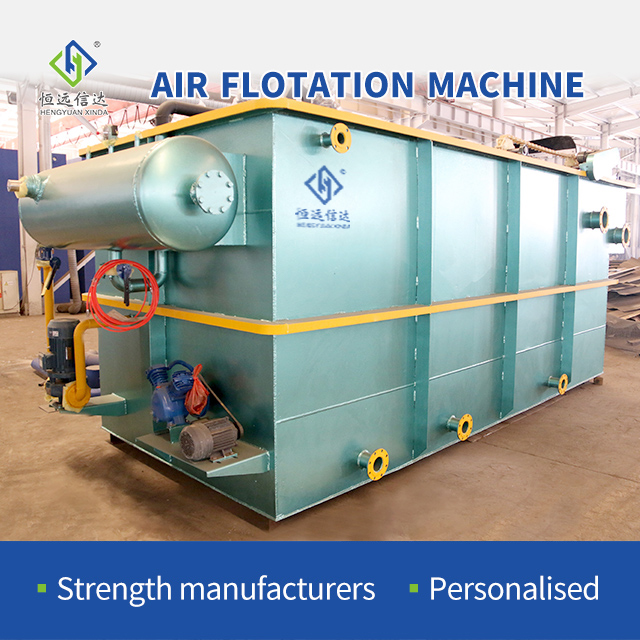
Dissolved Air Flotation (DAF) systems and lamella clarifiers dominate the physical separation stage. DAF units inject microscopic air bubbles into the water via a recycle pump and air saturation vessel. These bubbles attach to the flocs and float them to the surface for continuous mechanical skimming. Lamella clarifiers use inclined plates to increase the effective settling area, allowing heavy flocs to sink to the bottom as sludge. When selecting clarification equipment, evaluate footprint efficiency. Lamella clarifiers offer a much smaller footprint compared to conventional circular clarifiers. For DAF systems, assess the efficiency of the air dissolving tube and the automation level of the chemical dosing skids to prevent chemical waste.
Electrocoagulation and Electrolysis Systems
Electrocoagulation (EC) offers a mechanical alternative to traditional chemical dosing, utilizing electrical current to destabilize contaminants.
EC systems pass a direct electrical current through the wastewater using consumable metal anodes. This process releases metal ions directly into the water, destabilizing suspended particles, breaking down complex dye molecules, and aiding in initial demineralization without adding external chemical salts. Electrocoagulation reactors typically utilize iron or aluminum plates. The equipment includes the reactor vessel, a direct current (DC) power supply, and automated plate-cleaning mechanisms to prevent passivation.
The primary advantage of EC equipment is the drastic reduction in chemical procurement and the generation of a denser, lower-volume secondary sludge. Operators must weigh these benefits against local electricity rates and the labor required for periodic electrode replacement. Facilities processing highly conductive wastewater often see the best results with EC systems.
Biological Treatment Systems
Secondary treatment relies on microorganisms to consume and degrade dissolved organic compounds, effectively lowering the BOD and COD levels in the effluent.
Biological systems maintain a controlled environment where bacteria break down organic pollutants. Textile wastewater often contains toxic chemicals, surfactants, and fluctuating pH levels, requiring highly resilient biological setups. Moving Bed Biofilm Reactors (MBBR), Sequencing Batch Reactors (SBR), and conventional aeration tanks serve as the standard choices. MBBR systems utilize thousands of suspended high-density polyethylene (HDPE) carriers that provide a massive surface area for biofilm growth. SBRs process wastewater in batches, combining aeration and settling in a single tank using a decanter mechanism.
MBBR equipment holds a distinct advantage in textile applications. The protected biofilm on the carriers handles toxic shock loads and sudden spikes in organic concentration much better than conventional activated sludge. MBBR systems require a significantly smaller physical footprint, making them ideal for retrofitting existing plants with limited space. Engineers must carefully calculate the carrier fill fraction and select appropriate coarse bubble diffusers to ensure adequate mixing and oxygen transfer without shearing the biofilm off the media.
Advanced and Tertiary Textile Wastewater Treatment Equipment
To achieve strict discharge compliance or facilitate internal water reuse, facilities must implement tertiary treatment stages. These advanced systems polish the effluent, removing trace organics, residual color, and dissolved salts that bypass the biological reactors.
Membrane Filtration Systems
Membrane technology provides a physical barrier against microscopic contaminants and dissolved ions. It forms the backbone of any industrial water recycling initiative.
Membrane systems separate clean water from concentrated pollutants. Ultrafiltration (UF) skids act as the primary pre-treatment, removing viruses, bacteria, and fine suspended solids. UF membranes typically operate at low pressures and utilize a hollow-fiber configuration. Reverse Osmosis (RO) systems follow the UF stage. RO utilizes high-pressure multi-stage centrifugal pumps to force water through semi-permeable spiral-wound membranes, effectively stripping out dissolved salts and heavy metals.
Membrane fouling remains the biggest operational challenge in textile applications. Evaluate equipment based on membrane fouling resistance and the robustness of the required pre-treatment stages. High-efficiency variable frequency drive (VFD) pumps are mandatory to manage energy consumption as membrane resistance increases between cleaning cycles. Fully automated clean-in-place (CIP) systems must be integrated to circulate acid and caustic solutions, maintaining membrane lifespan and reducing manual maintenance.
Adsorption and Absorption Equipment
When biological systems fail to remove all persistent synthetic dyes, adsorption equipment serves as a highly effective polishing step.
Adsorption systems trap residual color, turbidity, and trace organics within the porous structure of specific media. Granular Activated Carbon (GAC) columns and synthetic resin adsorbers are the primary hardware. Wastewater flows through pressurized carbon steel or fiberglass vessels filled with the media, which physically captures the contaminants. The main operational constraint is media exhaustion. Evaluate equipment based on media replacement frequency and the system's thermal regeneration capabilities. Facilities must calculate the logistics of replacing or regenerating carbon beds to maintain continuous compliance with aesthetic discharge limits.
Thermal Evaporation and Zero Liquid Discharge (ZLD)
For facilities operating in regions with extreme water scarcity or zero-discharge mandates, thermal evaporation equipment represents the final step in the treatment train.
ZLD systems take the highly concentrated reject stream (brine) from the RO systems and evaporate the remaining water. This process separates the last fraction of clean water from the solid waste, achieving complete water recycling and leaving behind only dry salts and sludge. Multi-Effect Evaporators (MEE), Mechanical Vapor Recompression (MVR) systems, and Agitated Thin Film Dryers (ATFD) handle this intensive process. MEE systems use steam across multiple stages operating at decreasing pressures, while MVR uses mechanical compressors to recycle vapor energy, significantly reducing live steam requirements.
Evaporation equipment demands massive energy inputs. Operators must evaluate the thermal efficiency of MVR versus MEE based on local steam and electricity availability. The materials of construction require careful specification. The high chloride content and elevated temperatures in textile brine require expensive corrosion-resistant alloys like titanium, super duplex stainless steel, or specialized nickel alloys. Facilities must also plan for the logistics of disposing of the final mixed solid waste, which often requires specialized landfilling.
Advanced Oxidation Processes (AOP)
AOP equipment provides a powerful chemical alternative for destroying recalcitrant organic compounds without generating secondary sludge.
AOP systems generate highly reactive hydroxyl radicals that attack and break the chemical bonds of complex dye molecules. This results in complete color removal and the breakdown of hard-to-degrade COD. Ozonation generators, UV reactors, and Fenton reaction vessels are the standard AOP technologies. Ozone systems inject O3 gas directly into the effluent via venturi injectors, often combined with hydrogen peroxide or UV light to accelerate radical formation.
Evaluate AOP equipment by comparing operating costs against the savings achieved by eliminating sludge disposal costs. AOP systems require precise control logic and ORP (Oxidation-Reduction Potential) sensors to dose the exact amount of oxidants required based on real-time effluent monitoring. Over-dosing wastes expensive chemicals and electricity, while under-dosing results in compliance failures.
Core Evaluation Dimensions for Textile Wastewater Treatment Equipment
Procuring industrial wastewater hardware requires a systematic engineering evaluation process. Facilities must align equipment specifications with their unique operational realities to avoid costly sizing errors and integration failures.
Effluent Characterization and Equipment Matching
Never purchase equipment based on generic industry averages. Textile effluent varies wildly depending on the specific fabrics processed and the dyes utilized. Reactive dyes used on cotton produce vastly different wastewater profiles than disperse dyes used on polyester. Conduct a comprehensive wastewater audit before engaging vendors. Measure daily flow rates, identify peak load variability during shift changes, and analyze the exact chemical composition of the raw effluent using 24-hour composite sampling rather than single grab samples.
This data prevents the critical errors of over-sizing equipment, which wastes capital and energy, or under-sizing equipment, which leads to immediate compliance failures. Share this detailed characterization with equipment manufacturers to demand custom-engineered treatment trains rather than off-the-shelf units. Ensure the vendor provides a detailed mass balance and process flow diagram (PFD) proving their equipment can handle your specific contaminant loads.
Scalability and Footprint Constraints
Textile plants frequently expand production lines, which proportionally increases wastewater volume. Treatment equipment must scale alongside factory growth. Assess modular equipment designs during the procurement phase. Containerized MBBR units or skid-mounted RO systems allow facilities to add treatment capacity incrementally. Modular designs eliminate the need for massive, disruptive civil works and concrete pouring when expanding the plant. Evaluate the vertical footprint of the equipment. If ground space is limited, prioritize tall, cylindrical reactors and stacked membrane skids over sprawling conventional clarifiers and aeration basins. Ensure piping galleries and electrical motor control centers (MCC) have spare capacity for future equipment additions.
Implementation Risks and Mitigation Strategies
Installing and commissioning complex wastewater treatment equipment introduces significant operational risks. Proactive mitigation strategies ensure smooth integration and long-term system stability.
Managing Sludge Disposal and Secondary Waste
Physical-chemical treatments and biological processes generate high volumes of secondary sludge. Treating the water only solves half the problem; managing the resulting waste presents a major logistical challenge. Toxic sludge containing heavy metals and concentrated dyes cannot be sent to standard municipal landfills.
Mitigation involves integrating comprehensive sludge handling equipment directly into the primary treatment design. Implement the following steps:
Install sludge thickening tanks to increase the solids concentration before mechanical dewatering.
Utilize high-pressure plate and frame filter presses or decanter centrifuges to maximize mechanical water removal, targeting a dry solids content of at least 20-30%.
Implement thermal sludge dryers to remove residual moisture, reducing the final volume by up to 70%.
Contract with certified hazardous waste disposal firms to handle the stabilized dry cake.
System Integration and Downtime
Retrofitting new equipment into existing, operational infrastructure risks causing severe production halts. Tying new piping, electrical panels, and control systems into legacy setups often uncovers hidden compatibility issues. Mitigate these risks through meticulous phased implementation plans. Utilize skid-mounted systems that can be pre-assembled and factory-tested before arriving on site. Conduct extensive pilot testing with small-scale rental units to validate the treatment chemistry on your actual effluent before committing to full-scale installation. Schedule major tie-ins, pipe cutovers, and electrical switchgear upgrades during planned factory maintenance shutdowns to minimize disruption to the dyeing and finishing lines.
Operator Expertise and Automation
Advanced systems like ZLD, MVR evaporators, and RO membrane skids require specialized operational knowledge. Standard maintenance crews often lack the expertise to troubleshoot complex membrane fouling, adjust biological nutrient dosing, or calibrate pH probes. To mitigate operator error, prioritize equipment with robust automation. Demand comprehensive PLC (Programmable Logic Controller) and SCADA (Supervisory Control and Data Acquisition) integration. Implement remote monitoring capabilities that allow the equipment vendor to diagnose issues off-site via secure VPN connections. Mandate rigorous, multi-week vendor training programs for your on-site operators as a non-negotiable condition of the equipment purchase contract.
Conclusion
Initiate a detailed effluent characterization study using 24-hour composite sampling to map your exact flow rates, peak loads, and chemical concentrations.
Define your strict target parameters for either municipal discharge compliance or internal factory water reuse to guide technology selection.
Request pilot-scale demonstrations from shortlisted equipment manufacturers to validate their performance claims on your specific wastewater stream.
Evaluate the physical footprint available on-site and prioritize modular, skid-mounted equipment to simplify future capacity expansions.
FAQ
Q: What is the most effective textile wastewater treatment equipment for color removal?
A: Advanced Oxidation Process (AOP) equipment, such as ozonation generators and UV reactors, combined with tertiary adsorption columns, is highly effective. These systems break down persistent dye molecules and remove residual color without generating excess secondary sludge.
Q: Why is MBBR often recommended for textile plants?
A: Moving Bed Biofilm Reactors (MBBR) offer a highly resilient biological treatment process. The protected biofilm on the suspended carriers handles the toxic shock loads and fluctuating organic concentrations typical in textile effluent much better than conventional activated sludge.
Q: What equipment is required to achieve Zero Liquid Discharge (ZLD) in textiles?
A: ZLD requires a comprehensive multi-stage equipment train. This includes primary clarifiers, biological reactors, ultrafiltration, Reverse Osmosis (RO) for primary water recovery, and Multi-Effect Evaporators (MEE) or crystallizers to reduce the remaining concentrated brine to solid waste.
Q: Can Reverse Osmosis (RO) be used directly on raw textile wastewater?
A: No. RO membranes will foul rapidly and fail if exposed to raw textile effluent. RO equipment must always be preceded by rigorous pre-treatment, including coagulation, biological treatment, and ultrafiltration, to remove suspended solids and heavy organics.
Q: What is the role of Dissolved Air Flotation (DAF) in this process?
A: DAF equipment serves as a primary treatment stage. It separates suspended solids, oils, and coagulated dyes from the water by introducing microscopic air bubbles. These bubbles attach to the contaminants, floating them to the surface for continuous mechanical skimming.
It is a production-oriented high-tech enterprise integrating R&D, production and sales of water treatment equipment, disinfection equipment and ecological toilets. It has won the honorary titles of National.
 English
 العربية
 Français
 Русский
 Español
 Português
 Deutsch
 italiano
 日本語
日本語 한국어
한국어 Nederlands
 Tiếng Việt
 ไทย
ไทย Türkçe
 አማርኛ
አማርኛ ພາສາລາວ
 Bahasa Melayu
 Filipino
 Bahasa Indonesia
 magyar
 Română
 Монгол
 қазақ
қазақ Српски
 हिन्दी
 فارسی
فارسی Kiswahili
 Slovenščina
 Svenska
 Ελληνικά
 Suomi
Suomi Dansk
Dansk Shqip
Shqip বাংলা
বাংলা Oʻzbekcha
 Azərbaycan dili
 íslenska