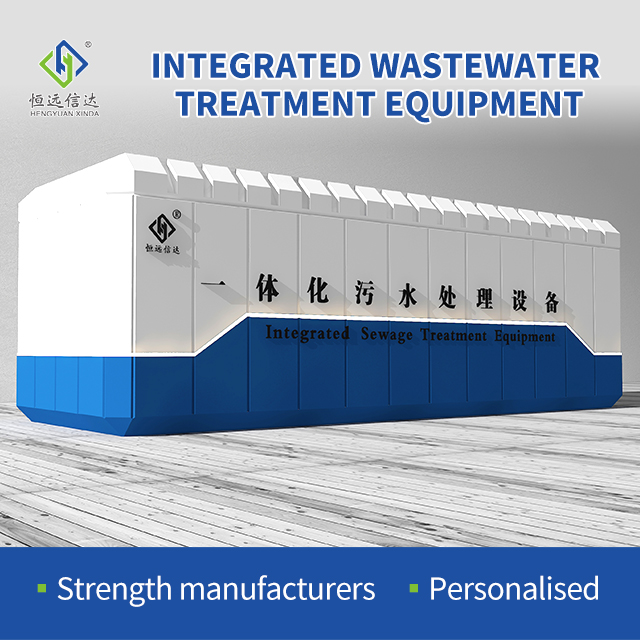
Meat processing facilities operate under demanding environmental conditions. The effluent generated during daily operations carries extreme organic loads, high concentrations of fats, oils, and grease (FOG), and faces severe regulatory scrutiny. Inadequate management of this discharge introduces massive financial and operational risks. Facilities routinely face municipal surcharges, environmental fines, or forced operational shutdowns when discharge limits are breached. Relying on inefficient chemical dosing or poorly optimized biological systems drives up daily operational expenditure. Designing a compliant, scalable system requires a rigorous evaluation of primary and secondary treatment technologies. Facility managers must balance initial capital expenditure with long-term operational reliability. A well-engineered approach ensures regulatory compliance while protecting the facility from unexpected downtime and waste disposal fees.
Effluent Variability Dictates Design: Slaughterhouse wastewater fluctuates sharply in volume and composition across slaughtering, cutting, and cleaning shifts, making flow equalization and robust primary treatment non-negotiable.
DAF is the Industry Standard for Primary Treatment: Dissolved Air Flotation (DAF) remains the most critical intervention for removing insoluble pollutants, FOG, and suspended solids before biological stages.
Biological Treatment Trade-offs: Selecting between anaerobic lagoons, Sequencing Batch Reactors (SBR), or Membrane Bioreactors (MBR) requires balancing available footprint, energy costs, and strict local discharge limits.
Combined Processes are Mandatory: Treating meat processing effluent requires a fully integrated treatment train; standalone equipment cannot handle the complex organic matrices.
Sludge Management Drives OpEx: A complete Slaughterhouse Wastewater Treatment Plant must include efficient sludge dewatering equipment to mitigate exorbitant off-site disposal costs.
Defining the Baseline: Slaughterhouse Effluent Characteristics
Problem Framing and Success Criteria
Successful equipment selection begins with a precise audit of the facility's specific wastewater profile. You cannot effectively treat what you have not accurately measured. Off-the-shelf solutions frequently fail in meat processing applications because they assume a homogenized, predictable flow. In reality, the discharge from these facilities is highly erratic. Establishing a baseline requires comprehensive sampling across multiple production shifts, sanitation cycles, and seasonal variations. This data forms the foundation for sizing tanks, selecting pump capacities, and determining chemical dosing requirements.
To execute a proper site audit, follow these specific steps:
Install continuous flow meters on all main discharge pipes to capture peak flow rates during washdown shifts.
Collect composite samples over a 24-hour period, ensuring you capture water from the kill floor, evisceration lines, and holding pens.
Analyze samples immediately for temperature and pH, as these metrics shift rapidly once water leaves the processing floor.
Send samples to a certified laboratory to determine the exact ratio of soluble to insoluble organics.
Map the existing underground drainage network to identify potential points for source separation, such as isolating high-blood streams from general wash water.
Key Contaminants to Measure
Designing an effective slaughterhouse wastewater treatment system requires tracking specific analytical parameters. Biochemical Oxygen Demand (BOD) and Chemical Oxygen Demand (COD) indicate the total organic load requiring biological degradation. In meat processing, these numbers routinely exceed municipal averages by a factor of ten. Total Suspended Solids (TSS) measure the physical particulate matter, including tissue fragments, hair, and manure. Fats, Oils, and Grease (FOG) present a unique mechanical challenge. They blind screens, coat sensors, and smother biological bacteria if not removed early. Nutrient levels—specifically Total Nitrogen (TN) and Total Phosphorus (TP)—require careful monitoring. High nitrogen levels from blood and urine demand specialized biological nitrification and denitrification stages to meet strict environmental discharge permits.
Operational Load Variability by Process and Species
Different facility zones create distinct shock loads. The scalding and dehairing zones produce high-temperature effluent laden with suspended solids. The bleeding area generates the highest concentrated COD spikes, as raw blood possesses an exceptionally high oxygen demand. Evisceration lines contribute significant particulate matter and paunch manure. End-of-shift washdowns introduce large volumes of water mixed with harsh sanitation chemicals. Furthermore, the specific animal type drastically alters the effluent matrix.
Parameter
Beef Processing
Pork Processing
Poultry Processing
Primary Challenge
Heavy paunch and manure loads
High volumes of hair and scalding water
Severe FOG concentrations and feathers
Typical BOD (mg/L)
1,500 - 3,000
2,000 - 4,000
3,000 - 6,000
Typical TSS (mg/L)
2,000 - 5,000
1,500 - 3,500
1,000 - 3,000
FOG Levels
Moderate to High
High
Extremely High
Core Stages of a Slaughterhouse Wastewater Treatment Plant
Pre-Treatment and Screening
The first line of defense in any meat processing facility is mechanical screening. The primary function of this stage is the rapid removal of gross solids such as hair, feathers, offal, and bone fragments before they can damage downstream pumps or settle in equalization tanks. When evaluating equipment, engineers typically compare rotary drum screens against static parabolic screens.
Rotary drum screens equipped with internal spray bars handle high flow rates effectively and resist blinding from heavy fat loads. They continuously rotate, lifting solids out of the flow path using a wedge wire cylinder. Static parabolic screens require zero electricity and rely on gravity, making them mechanically simple. However, static screens demand frequent manual washdowns in high-FOG environments to prevent the wedge wire from clogging. Selecting the correct screen aperture—typically between 1mm and 3mm—balances solids capture with hydraulic throughput. Operators must inspect the spray bar nozzles weekly to ensure the screen face remains clear of hardened grease.
Primary Treatment: Dissolved Air Flotation (DAF)
Dissolved Air Flotation is the workhorse of primary treatment in the meat processing industry. The mechanism relies on injecting pressurized water saturated with dissolved air into the main effluent stream. The whitewater system typically operates at 60 to 80 psi. As this mixture enters the atmospheric pressure of the DAF tank, microscopic air bubbles precipitate out of solution. These microbubbles attach to coagulated and flocculated insoluble pollutants, lifting them to the surface. Mechanical skimmers attached to a heavy-duty chain drive then sweep this floated sludge into a collection hopper.
An optimized DAF unit drastically reduces the organic load, routinely removing 60% to 80% of TSS and FOG. This massive reduction directly shrinks the required footprint, aeration demand, and energy consumption of the subsequent biological stages. Without a highly efficient DAF system, downstream biological processes will quickly become overwhelmed by fat accumulation and oxygen depletion. The chemical dosing sequence is critical here: operators inject a metal salt coagulant first to neutralize particle charges, followed by a polymer flocculant to bind the particles into large, buoyant masses.
Secondary (Biological) Treatment
Once primary treatment removes the physical and insoluble contaminants, secondary treatment addresses the dissolved organics, such as blood, urine, and soluble proteins. Facilities must choose between anaerobic and aerobic systems based on their specific constraints. The biological stage relies on maintaining a healthy concentration of Mixed Liquor Suspended Solids (MLSS) to digest the incoming waste.
Traditional anaerobic lagoon systems offer lower energy consumption and can handle high-strength waste. However, they require a massive land footprint, present severe odor risks, and strictly require robust DAF pre-treatment to prevent catastrophic septic failure from fat capping. Conversely, mechanical aerobic systems provide high-quality effluent in a much smaller footprint. Sequencing Batch Reactors (SBR) operate in timed cycles within a single tank, offering excellent flexibility for varying flows. Membrane Bioreactors (MBR) combine biological aeration with ultrafiltration membranes, producing an exceptionally clear effluent but requiring higher energy input for membrane scouring. The choice depends entirely on available space, energy costs, and local discharge limits.
Tertiary Treatment and Advanced Oxidation Processes (AOPs)
For facilities targeting strict environmental discharge limits or aiming for in situ recycling, tertiary treatment is mandatory. Standard biological treatment often leaves trace organics, residual color from blood, and lingering pathogens. Advanced Oxidation Processes (AOPs) utilize powerful oxidants like ozone or hydrogen peroxide combined with UV light to break down recalcitrant organic compounds. UV disinfection systems neutralize bacteria and viruses without adding chemical residues to the water. When combined with reverse osmosis (RO), facilities can recover meat processing wastewater for non-potable reuse. This reclaimed water can supply initial washdown hoses, cooling towers, or boiler feeds, significantly offsetting municipal freshwater intake costs and reducing the facility's overall environmental footprint.
Equipment Evaluation: Selecting the Right Technology Stack
Evaluating DAF Systems
Not all DAF systems deliver the same performance. Decision-makers must assess these units across several technical dimensions. Microbubble generation efficiency is paramount. The recirculation pump and air saturation tube must produce dense, uniform bubbles in the 30-to-50-micron range for optimal solids attachment. Footprint and tank geometry also matter. Rectangular DAFs provide excellent laminar flow and are easier to fit into existing buildings, while circular units handle massive flow volumes efficiently. Material of construction dictates equipment longevity. Due to the corrosive nature of blood and sanitation chemicals, high-grade stainless steel (such as 304 or 316L) is required to prevent rapid degradation. Finally, automated sludge removal capabilities, including variable speed skimmers and automated bottom blowdown valves, reduce the need for constant operator intervention.
Evaluating Biological and Aeration Equipment
The biological train consumes the majority of a treatment plant's electrical power. Evaluating aeration equipment requires balancing oxygen transfer efficiency with maintenance accessibility. Fine bubble diffusers installed at the bottom of aeration tanks provide excellent oxygen transfer rates, minimizing blower energy consumption. However, they require periodic tank draining for cleaning and replacement. Surface aerators float on the basin and violently agitate the water. They are easier to maintain without draining the tank but consume more power and can create aerosolized odors. Scalability is another critical factor. If the slaughterhouse plans to increase production capacity, the biological train must accommodate modular expansion. Systems designed with parallel treatment trains or easily upgradeable blower packages prevent future bottlenecks.
Integrated Systems vs. Piecemeal Procurement
Treating complex meat processing effluent requires a cohesive, integrated approach. Procuring a screen from one vendor, a DAF from another, and biological controls from a third often results in hydraulic mismatches and communication failures between equipment logic controllers. An integrated Slaughterhouse Wastewater Treatment Plant ensures that all components operate in harmony. Unified Programmable Logic Controllers (PLC) and Supervisory Control and Data Acquisition (SCADA) systems allow operators to monitor the entire treatment train from a single interface. When the DAF sludge pump activates, the downstream dewatering press must automatically adjust its speed. This level of system cohesion prevents tank overflows, optimizes chemical dosing, and drastically reduces the troubleshooting burden on facility maintenance staff.
Sludge Dewatering and Management
Sludge handling remains a primary operational expenditure for any meat processing facility. The DAF and biological stages generate large volumes of liquid sludge that must be dewatered before off-site disposal. Transporting water is expensive. Maximizing final cake dryness is non-negotiable. Facilities utilize automated polymer makeup units to condition the sludge before it enters the dewatering equipment.
Technology
Cake Dryness
Power Consumption
Maintenance Level
Filter Press
Very High (Up to 35% dry solids)
Low
High (Requires manual batch cleaning)
Decanter Centrifuge
High (20% - 25% dry solids)
Very High
High (Requires specialized balancing)
Volute Screw Press
Moderate to High (18% - 22% dry solids)
Very Low
Low (Self-cleaning, continuous operation)
Filter presses utilize high-pressure hydraulic rams to squeeze water through filter cloths, producing a very dry cake, but they operate in batches and require significant manual cleaning. Decanter centrifuges spin at high speeds to separate solids continuously, offering high throughput but consuming substantial electricity and requiring specialized maintenance. Volute screw presses have emerged as a highly efficient alternative, utilizing slow-moving interlocking rings and a central auger to dewater sludge continuously with minimal power consumption and operator intervention. The selection must account for polymer consumption rates, target cake dryness, and available labor.
Implementation Risks and Mitigation Strategies
Managing Shock Loads
The most common cause of biological system failure in meat processing is the sudden influx of shock loads. A major spill on the bleeding floor or the sudden release of hot, highly alkaline water during a sanitation shift can instantly alter the pH and temperature of the wastewater. This shocks and kills the sensitive bacteria in the secondary treatment stage, leading to immediate permit violations. The primary mitigation strategy is the implementation of adequately sized flow equalization tanks. These tanks act as a hydraulic and organic buffer. Equipped with submersible mechanical mixers or jet aerators to prevent solids from settling and turning septic, equalization tanks homogenize the effluent. This ensures that the downstream DAF and biological systems receive a steady, predictable flow with a neutralized pH and stabilized temperature.
Chemical Dosing Optimization
Chemical coagulation and flocculation are necessary for efficient DAF operation, but manual dosing introduces severe risks. Operators frequently over-dose chemicals to compensate for fluctuating wastewater strength. This practice drives up daily chemical procurement costs and generates excessive volumes of chemical sludge, which then increases dewatering and disposal expenses. Under-dosing results in poor solids separation and overwhelms the biological stage. Mitigating this risk requires integrating automated dosing systems. By installing real-time pH, turbidity, and flow sensors inline, the PLC can dynamically adjust the injection rates of metal salts and polymers. This automation ensures optimal floc formation regardless of upstream production changes, minimizing chemical waste and stabilizing primary treatment performance.
Conclusion
Achieving consistent environmental compliance in the meat processing industry requires a highly engineered approach to effluent management. There is no single piece of equipment that can handle the extreme organic loads, variable FOG concentrations, and erratic flow patterns inherent to this sector. A successful installation demands a multi-stage, combined-process methodology heavily reliant on robust mechanical screening, highly efficient Dissolved Air Flotation, and appropriately sized biological treatment. Facility leaders must prioritize vendors who offer comprehensive wastewater characterization and pilot testing capabilities over those pushing standalone, off-the-shelf equipment. By focusing on system cohesion and automated controls, facilities protect their operations from regulatory fines and unexpected downtime.
Initiate a professional treatability study to accurately characterize current effluent flows and organic loads.
Schedule an engineering consultation to audit existing primary treatment bottlenecks and flow equalization capacity.
Establish baseline design parameters based on peak production shifts rather than average daily flows before beginning procurement.
Implement automated chemical dosing controls to immediately stabilize DAF performance and reduce daily consumable costs.
FAQ
Q: What is the best primary treatment method for slaughterhouse wastewater?
A: Dissolved Air Flotation (DAF) is the industry standard for primary treatment. It utilizes microscopic air bubbles to float coagulated fats, oils, grease (FOG), and suspended solids to the surface for mechanical removal. This process drastically reduces the organic load before the wastewater enters the sensitive biological treatment stages.
Q: Why is slaughterhouse wastewater so difficult to treat?
A: The difficulty stems from extreme fluctuations in flow and composition. The effluent contains high concentrations of raw blood, fats, and paunch manure, creating massive organic shock loads. The water chemistry changes rapidly between production shifts and heavy sanitation cycles involving harsh cleaning chemicals.
Q: What are the typical BOD and COD levels in meat processing effluent?
A: Biochemical Oxygen Demand (BOD) typically ranges from 1,500 to 8,000 mg/L. Chemical Oxygen Demand (COD) can span from 3,000 to over 15,000 mg/L depending on the animal species and blood recovery practices. These concentrations drastically exceed standard municipal wastewater limits, requiring specialized industrial treatment.
Q: Can slaughterhouse wastewater be recycled or reused?
A: Yes, but it requires extensive tertiary treatment. After biological degradation, the water must pass through Advanced Oxidation Processes (AOPs), ultrafiltration, and reverse osmosis to remove residual organics and pathogens. This highly treated water can then be safely reused for non-potable applications like initial washdowns or cooling towers.
Q: How do you handle blood in slaughterhouse wastewater?
A: Blood possesses an exceptionally high oxygen demand and should be source-separated at the kill floor whenever possible. Any residual blood that enters the wastewater stream must be managed through robust flow equalization to prevent shock loads, followed by advanced biological aeration to degrade the dissolved soluble proteins.
Q: What is the average footprint of a Slaughterhouse Wastewater Treatment Plant?
A: The footprint varies entirely based on the chosen biological technology. Traditional anaerobic and aerobic lagoon systems require acres of available land. Highly mechanized systems like Membrane Bioreactors (MBR) or Sequencing Batch Reactors (SBR) can process the same volume within a highly compact, localized footprint.
It is a production-oriented high-tech enterprise integrating R&D, production and sales of water treatment equipment, disinfection equipment and ecological toilets. It has won the honorary titles of National.
 English
 العربية
 Français
 Русский
 Español
 Português
 Deutsch
 italiano
 日本語
日本語 한국어
한국어 Nederlands
 Tiếng Việt
 ไทย
ไทย Türkçe
 አማርኛ
አማርኛ ພາສາລາວ
 Bahasa Melayu
 Filipino
 Bahasa Indonesia
 magyar
 Română
 Монгол
 қазақ
қазақ Српски
 हिन्दी
 فارسی
فارسی Kiswahili
 Slovenščina
 Svenska
 Ελληνικά
 Suomi
Suomi Dansk
Dansk Shqip
Shqip বাংলা
বাংলা Oʻzbekcha
 Azərbaycan dili
 íslenska