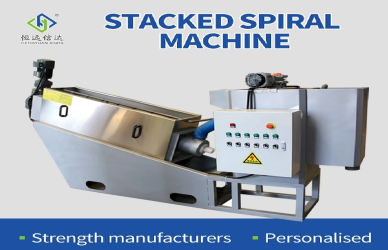
As industries and municipalities face increasing pressure to operate sustainably, finding efficient and environmentally responsible solutions for wastewater treatment and sludge management has become a priority. The Screw Press Sludge Dewatering Machine offers a powerful solution to support sustainable operations by enhancing sludge dewatering processes. Unlike traditional dewatering methods, this machine is designed to reduce energy consumption, lower carbon emissions, and produce drier sludge that is easier to handle and dispose of. Additionally, it helps industries meet environmental regulations by ensuring cleaner water discharge and providing opportunities for waste-to-resource conversion. By significantly reducing energy usage and waste, the screw press not only helps companies save on operational costs but also contributes to their overall sustainability goals, making it a key tool in advancing eco-friendly practices in industrial and municipal wastewater management.
Energy Efficiency and Reduced Carbon Footprint
1.Low Energy Consumption
The Screw Press Sludge Dewatering Machine is designed with energy efficiency in mind. Unlike traditional dewatering methods like centrifuges and belt presses, which require high-speed operations or continuous mechanical movement, the screw press uses a rotating screw mechanism that applies gradual, consistent pressure to dewater the sludge. This design consumes significantly less energy compared to centrifugal methods, which rely on high-speed spinning, or belt presses, which operate continuously. As a result, the screw press minimizes energy usage, leading to substantial savings in operational costs and reducing the need for high-powered machinery.
2.Carbon Footprint Reduction
With lower energy consumption, the Screw Press Sludge Dewatering Machine contributes to a reduced carbon footprint in sludge management. Traditional systems that use more energy-intensive processes result in higher greenhouse gas emissions, making them less environmentally friendly. In contrast, the energy-efficient screw press uses a simple mechanical process, leading to fewer emissions and a smaller environmental impact. By reducing the energy required for dewatering, the screw press helps industries comply with sustainability goals, reduce their reliance on fossil fuels, and support greener operations. The adoption of screw press technology plays a critical role in achieving more sustainable waste management practices while minimizing the carbon footprint of wastewater treatment facilities and industrial operations.
Waste Minimization and Resource Recovery
1.Reduced Sludge Volume
One of the key advantages of the Screw Press Sludge Dewatering Machine is its ability to significantly reduce the volume of sludge. By efficiently removing water from the sludge, the machine produces a drier, more compact waste that takes up much less space. This reduction in volume leads to lower disposal costs, as less material needs to be transported and treated. Additionally, the dewatered sludge is easier to handle and store, minimizing the environmental impact associated with waste disposal. With reduced volume, facilities can also save on landfill fees and transportation expenses, making it a cost-effective and environmentally friendly solution.
2.Waste-to-Resource
The Screw Press Sludge Dewatering Machine also promotes waste-to-resource initiatives, turning dewatered sludge into valuable by-products. Once the excess water is removed, the remaining sludge can be repurposed for various sustainable applications, such as fertilizers, soil conditioners, and biogas production. The nutrient-rich properties of the dewatered sludge make it an ideal resource for agriculture, improving soil quality and supporting sustainable farming practices. In addition, the organic material in the sludge can be used for biogas generation, contributing to renewable energy production. By converting waste into useful resources, the screw press plays an important role in supporting the circular economy and reducing reliance on non-renewable resources.
3.Environmental Benefits of Resource Recovery
The Screw Press Sludge Dewatering Machine not only minimizes waste but also maximizes environmental benefits by converting waste into valuable resources. By recovering nutrients and other organic matter, it reduces the need for synthetic fertilizers and helps improve soil health in agricultural applications. Additionally, biogas production from organic sludge reduces greenhouse gas emissions, contributing to more eco-friendly and sustainable industrial practices. The machine’s ability to turn waste into resources aligns with global sustainability goals, reducing environmental impact and promoting a circular approach to waste management.
Long-Term Cost Savings and Operational Sustainability
1.Lower Operational Costs
The Screw Press Sludge Dewatering Machine offers significant long-term cost savings by reducing energy consumption, maintenance requirements, and sludge disposal fees. Unlike traditional dewatering methods like centrifuges or belt presses, the screw press operates with lower energy demand, reducing electricity costs and making it a more cost-efficient option for industrial and municipal operations. Additionally, its simple design with fewer moving parts means there is less wear and tear, resulting in lower maintenance costs over time. The reduction in the volume of sludge also translates to lower disposal fees, as less material needs to be transported and disposed of. Collectively, these savings contribute to overall cost-effectiveness, making the screw press a smart investment for long-term operational sustainability.
2.Longevity and Durability
The Screw Press Sludge Dewatering Machine is known for its robust design and durability, which contributes to its long-term sustainability in industrial sludge management. Built with high-quality materials and fewer moving parts, the screw press requires less frequent repairs or component replacements. This reliable performance over time ensures that the machine can continue to deliver consistent dewatering results even under heavy usage. Its long lifespan and minimal downtime make it an ideal solution for operations seeking sustainable sludge management over many years, offering excellent return on investment. By investing in a machine with high durability and low maintenance needs, industries can achieve sustainable operations that are both cost-effective and environmentally responsible.
3.Maximized ROI Over Time
The Screw Press Sludge Dewatering Machine is not only a cost-effective solution but also ensures maximized ROI (Return on Investment) over its lifespan. Its low energy usage, minimal maintenance, and reduced disposal costs contribute to continuous savings that outweigh the initial investment. The machine’s ability to operate efficiently for years with minimal repairs or upgrades makes it a financially sustainable option for long-term industrial sludge management. Over time, industries will benefit from a high ROI due to the screw press’s durability and reduced operating costs.
Versatility Across Industries
1.Wide Range of Applications
The Screw Press Sludge Dewatering Machine is an incredibly versatile solution used across various industries, offering substantial support for sustainable operations. In food processing, it helps dewater organic sludge generated from food waste and wastewater treatment, reducing disposal costs and enabling waste-to-resource applications like composting. In chemical manufacturing, the screw press efficiently handles sludge contaminated with chemicals, allowing for effective dewatering and safer disposal or repurposing of waste. Additionally, municipal wastewater treatment plants rely on the screw press to reduce sludge volume and improve effluent quality, helping them meet environmental discharge standards. By accommodating the specific needs of different industries, the screw press plays a crucial role in streamlining operations and promoting sustainability across various sectors.
2.Customizable for Specific Needs
The Screw Press Sludge Dewatering Machine is highly customizable, allowing it to be tailored to specific sludge types, industry requirements, and capacity needs. For example, in industries with high-viscosity sludges, the machine can be adjusted to handle more challenging materials, ensuring maximum dewatering efficiency. Its design can also be adapted to meet varying sludge volumes, from small-scale operations to large industrial facilities. Customizable features, such as screen size and screw configurations, allow the machine to meet the unique demands of different industrial processes, improving overall performance. Whether it's chemical sludges, organic waste, or municipal sewage, the screw press provides a flexible, efficient solution that can be adapted to diverse industrial and wastewater treatment requirements.
FAQ: Screw Press Sludge Dewatering Machine
Q1: How does the Screw Press Sludge Dewatering Machine contribute to sustainability in industrial sludge management?
Answer: The Screw Press Sludge Dewatering Machine enhances sustainability by reducing energy consumption, improving water quality, and minimizing sludge waste. Its efficient dewatering process lowers operational costs and makes the sludge easier to repurpose or dispose of responsibly. The drier sludge can be converted into fertilizer or biogas, supporting a circular economy.
Q2: What are the environmental benefits of using the Screw Press Sludge Dewatering Machine over other dewatering systems?
Answer: Compared to centrifuges and belt presses, the Screw Press Sludge Dewatering Machine uses less energy while achieving better dewatering results. It also produces cleaner water and reduces sludge volume, making it a more eco-friendly choice with a smaller environmental footprint.
Q3: Can the screw press be used to help achieve zero waste goals in industrial operations?
Answer: Yes, the Screw Press Sludge Dewatering Machine supports zero waste goals by converting dewatered sludge into fertilizers, biogas, or soil conditioners, reducing landfill waste and promoting resource recovery.
Q4: How does the use of the Screw Press Sludge Dewatering Machine support compliance with environmental regulations?
Answer: The Screw Press Sludge Dewatering Machine ensures cleaner filtrate water and reduced sludge volume, helping industries meet environmental discharge standards and stay compliant with local and international regulations.
Conclusion
The Screw Press Sludge Dewatering Machine plays a vital role in supporting sustainable operations by significantly reducing energy consumption, minimizing waste, and contributing to the circular economy. Its efficient dewatering process reduces sludge volume, making it easier to handle, store, and dispose of, while also enabling the repurposing of dewatered sludge into valuable by-products like fertilizer and biogas. The machine’s energy efficiency and low maintenance needs make it an ideal choice for industries seeking long-term operational, financial, and environmental benefits. By adopting the screw press, industries can achieve cost savings, meet environmental regulations, and contribute to sustainable waste management, making it a smart investment for the future.
 English
 العربية
 Français
 Русский
 Español
 Português
 Deutsch
 italiano
 日本語
日本語 한국어
한국어 Nederlands
 Tiếng Việt
 ไทย
ไทย Türkçe
 አማርኛ
አማርኛ ພາສາລາວ
 Bahasa Melayu
 Filipino
 Bahasa Indonesia
 magyar
 Română
 Монгол
 қазақ
қазақ Српски
 हिन्दी
 فارسی
فارسی Kiswahili
 Slovenščina
 Svenska
 Ελληνικά
 Suomi
Suomi Dansk
Dansk Shqip
Shqip বাংলা
বাংলা Oʻzbekcha
 Azərbaycan dili
 íslenska


