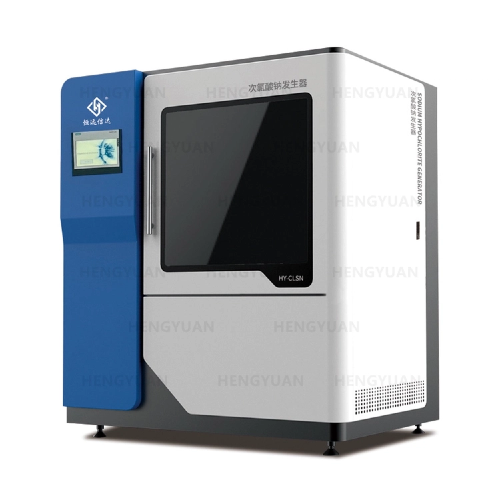
An On-site Sodium Hypochlorite Generator is an advanced system that produces sodium hypochlorite, commonly known as bleach, on-site for various applications such as water treatment, disinfection, and sanitation. The generator uses an electrolysis process to convert salt and water into sodium hypochlorite, offering a safe and efficient alternative to traditional disinfection methods.
This system eliminates the need for storing and transporting hazardous chemicals, ensuring a cost-effective and environmentally friendly solution. Below, we will explore how an On-site Sodium Hypochlorite Generator works, its benefits, applications, and the advantages it offers over traditional disinfection methods.
How Does an On-site Sodium Hypochlorite Generator Work?
An On-site Sodium Hypochlorite Generator works by using the process of electrolysis to create sodium hypochlorite. This method involves the electrochemical transformation of a saline solution into chlorine, which then reacts with sodium hydroxide to form sodium hypochlorite.
The Electrolytic Process: Step-by-Step Breakdown
Preparation of the Solution: The first step is to mix water with salt (sodium chloride) in a saline solution. The concentration of the salt typically ranges from 2.5% to 5%.
Electrolysis of the Solution: The saline solution is then passed through the electrolytic cell, where an electrical current is applied. This current breaks the sodium chloride (NaCl) into sodium (Na) and chlorine (Cl).
Formation of Sodium Hypochlorite: The chlorine gas produced in the electrolytic process reacts with the sodium hydroxide (NaOH) present in the system. This reaction forms sodium hypochlorite (NaOCl) and water (H2O).
Generation of By-products: The system also produces hydrogen gas as a by-product, which is safely vented out through the system's hydrogen venting system.
Disinfection: The sodium hypochlorite produced is then used for disinfecting water or wastewater. It can also be stored for later use, depending on demand.
Key Components of the Generator System
The On-site Sodium Hypochlorite Generator system typically includes the following components:
Electrolytic Cell: This is where the electrolysis process occurs.
PLC Control System: The system is equipped with a Programmable Logic Controller (PLC) for automated monitoring and control.
Salt and Water Tanks: These are used to store the saline solution and fresh water.
Hydrogen Venting System: This ensures the safe release of hydrogen gas generated during the process.
Disinfection Chamber: Where the sodium hypochlorite solution is mixed with the water or wastewater for disinfection.
Advantages of On-site Sodium Hypochlorite Generation
Using an On-site Sodium Hypochlorite Generator offers several significant advantages over traditional chemical disinfection methods.
1. Safety Benefits
One of the most important benefits is the improved safety of on-site generation. Traditional disinfection methods often require transporting and storing hazardous chemicals like chlorine gas or bleach, which pose serious risks to workers and the environment. The On-site Sodium Hypochlorite Generator eliminates these risks by producing the disinfectant on-site, reducing the need for hazardous chemical storage and transportation.
2. Cost Efficiency
An On-site Sodium Hypochlorite Generator can result in substantial cost savings for businesses and municipalities. Traditional disinfection methods often involve recurring costs for purchasing, transporting, and storing chemicals. With the on-site generator, the only ongoing costs are for the raw materials—salt and water—both of which are inexpensive. Additionally, the system reduces the need for manual labor in handling chemicals, further lowering operational costs.
3. Environmental Impact
The environmental impact of the On-site Sodium Hypochlorite Generator is significantly lower compared to traditional methods. The system generates sodium hypochlorite on-demand, which means it does not contribute to the waste associated with the transport and storage of chemical disinfectants. Moreover, it produces fewer carbon emissions compared to transporting bulk chemicals over long distances.
4. Customizable Production Capacity
An On-site Sodium Hypochlorite Generator can be adjusted to meet the specific demands of a facility. The production rate of sodium hypochlorite can be modified to match the volume of water that needs to be treated, ensuring that the disinfection process is both effective and efficient. This flexibility makes the system suitable for both small-scale and large-scale applications.
Applications of On-site Sodium Hypochlorite Generators
On-site Sodium Hypochlorite Generators have a wide range of applications across various industries, including municipal water treatment, industrial water treatment, and even in recreational settings such as swimming pools.
1. Municipal Water Treatment
In municipal water treatment facilities, the On-site Sodium Hypochlorite Generator is used to disinfect large volumes of water before it is distributed for drinking or other purposes. The generator offers a continuous and reliable source of disinfectant, ensuring that water quality is maintained to meet safety standards.
2. Industrial Water Treatment
Industries such as food processing, pharmaceuticals, and textiles use On-site Sodium Hypochlorite Generators to disinfect water used in production processes. This application helps prevent bacterial contamination and ensures the safe reuse of water in various industrial processes.
3. Swimming Pools and Recreational Facilities
Swimming pools require constant disinfection to maintain water safety for swimmers. The On-site Sodium Hypochlorite Generator provides a convenient solution for pools to maintain optimal chlorine levels without the need for bulk chemical deliveries. The on-site generation process is more efficient and safer for both operators and swimmers.
4. Agricultural and Aquaculture Applications
In agriculture and aquaculture, water disinfection is crucial to prevent the spread of pathogens in irrigation systems and fish farming operations. The On-site Sodium Hypochlorite Generator ensures that the water used in these environments remains safe and free from harmful microorganisms.
On-site Sodium Hypochlorite Generator vs. Traditional Methods
While traditional disinfection methods have been widely used for years, the On-site Sodium Hypochlorite Generator offers several advantages that make it a more efficient and safer option.
Comparison with Chlorine Gas
Feature | On-site Sodium Hypochlorite Generator | Chlorine Gas |
Safety | Eliminates the need for storing hazardous chemicals | Risk of leaks and exposure |
Cost | Low operating costs (salt + water) | High cost for transport and storage |
Environmental Impact | Reduced waste and emissions | High environmental risks in transport |
Maintenance | Low maintenance and automated operation | Requires strict handling and storage controls |
Flexibility | Adjustable production capacity | Fixed production capacity |
Comparison with Liquid Bleach
Feature | On-site Sodium Hypochlorite Generator | Liquid Bleach |
Storage Requirements | No need for large storage tanks | Requires large storage and handling |
Sustainability | Eco-friendly, minimal transport | High waste generation in transport |
Cost Over Time | Low operating costs | Expensive recurring purchases |
Chemical Handling | Automated, reduces manual handling | Requires more manual intervention |
Technological Features of On-site Sodium Hypochlorite Generators
1. Automated Control Systems
Most On-site Sodium Hypochlorite Generators are equipped with PLC control systems, which automate the entire process, from salt dissolution to electrolysis and disinfection. This reduces the need for human intervention, improving safety and efficiency.
2. Energy Efficiency
The system is designed to use less energy compared to traditional chemical disinfection methods, which often require heating or complex chemical reactions. This makes the On-site Sodium Hypochlorite Generator an energy-efficient solution for long-term use.
3. Scalability and Modularity
On-site sodium hypochlorite generators are designed to be scalable. Whether for small-scale applications or large industrial plants, the system can be adapted to meet the required capacity. This modularity ensures that the system can grow with the needs of the business or municipality.
Conclusion
The On-site Sodium Hypochlorite Generator is transforming water treatment and disinfection by offering a safe, cost-effective, and environmentally friendly solution. These generators are rapidly becoming the preferred choice in industries and municipalities worldwide. With ongoing advancements in technology, the systems are set to become even more efficient and reliable, making them an essential component of sustainable water management practices.
As the demand for safer and more sustainable methods grows, On-site Sodium Hypochlorite Generators stand out as a vital innovation for the future of water treatment. At Weifang Hengyuan Environmental Protection Water Treatment Equipment Co., Ltd., we are committed to providing cutting-edge solutions that help businesses and municipalities optimize their water disinfection processes.
We invite you to explore our expertise and learn how our advanced systems can enhance your water treatment operations. For more information or to discuss your specific needs, feel free to reach out to us. Together, we can work towards a safer, cleaner, and more efficient future for water treatment.
FAQ
Q1: What is the difference between an On-site Sodium Hypochlorite Generator and traditional chlorine disinfection methods?
A1: An On-site Sodium Hypochlorite Generator produces sodium hypochlorite on-site using electrolysis, eliminating the need to store or transport hazardous chemicals, while traditional chlorine methods often involve the use of chlorine gas or liquid bleach that require safety measures for storage and handling.
Q2: How does the On-site Sodium Hypochlorite Generator work?
A2: The generator uses an electrolytic process where salt and water are transformed into sodium hypochlorite through a chemical reaction in an electrolytic cell.
Q3: What industries can benefit from On-site Sodium Hypochlorite Generators?
A3: Municipalities, industrial plants, food processing, swimming pools, and agricultural sectors all benefit from using these generators for efficient water disinfection.
Q4: Is an On-site Sodium Hypochlorite Generator cost-effective?
A4: Yes, the generator reduces the need for purchasing, transporting, and storing chemicals, leading to significant long-term cost savings.
Q5: How safe is an On-site Sodium Hypochlorite Generator?
A5: The generator is very safe as it eliminates the need for storing hazardous chemicals. It uses an automated PLC control system that minimizes human intervention and ensures safety during the production process.
 English
 العربية
 Français
 Русский
 Español
 Português
 Deutsch
 italiano
 日本語
日本語 한국어
한국어 Nederlands
 Tiếng Việt
 ไทย
ไทย Türkçe
 አማርኛ
አማርኛ ພາສາລາວ
 Bahasa Melayu
 Filipino
 Bahasa Indonesia
 magyar
 Română
 Монгол
 қазақ
қазақ Српски
 हिन्दी
 فارسی
فارسی Kiswahili
 Slovenščina
 Svenska
 Ελληνικά
 Suomi
Suomi Dansk
Dansk Shqip
Shqip বাংলা
বাংলা Oʻzbekcha
 Azərbaycan dili
 íslenska


