Water treatment is crucial for maintaining the health of both people and the environment. One of the most efficient and sustainable ways to ensure water quality is through the use of On-site Sodium Hypochlorite Generators. These devices produce sodium hypochlorite (NaOCl) on-site, offering a powerful, cost-effective, and environmentally friendly solution for water disinfection. In this article, we will explore how on-site sodium hypochlorite generators work, their benefits, applications, and more.
What is an On-site Sodium Hypochlorite Generator?
The Basic Concept of On-site Sodium Hypochlorite Generation
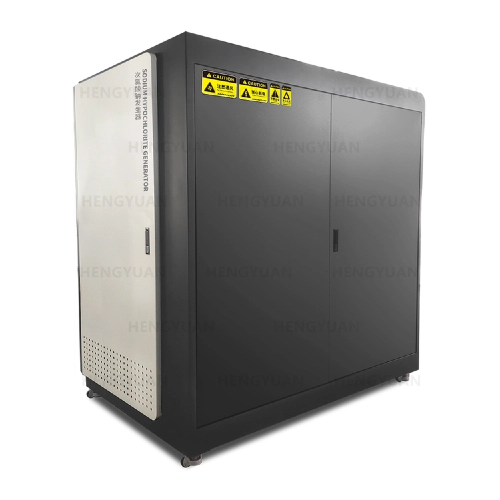
An On-site Sodium Hypochlorite Generator is a system designed to produce sodium hypochlorite solution directly on-site, using saltwater and an electrochemical process. Sodium hypochlorite is a powerful disinfectant commonly used in various water treatment applications, such as municipal water treatment plants, industrial wastewater treatment, and swimming pool sanitation.
This generator operates by using a process called electrolysis, where saltwater (NaCl solution) is subjected to an electrical current to create chlorine gas. This chlorine gas reacts with water to form sodium hypochlorite, which is then used for disinfection.
Key Components of an On-site Sodium Hypochlorite Generator
The core components of an on-site sodium hypochlorite generator typically include:
Electrolytic Cell: This is the heart of the generator, where the electrolysis process occurs.
Salt Dissolving Unit: Converts solid salt (NaCl) into a brine solution.
Chlorine Generation Chamber: This is where chlorine gas is generated during electrolysis.
Sodium Hypochlorite Storage Tank: A safe storage space for the produced sodium hypochlorite solution.
Control Panel: Typically includes a PLC (Programmable Logic Controller) for monitoring and controlling the entire process, ensuring optimal performance.
The Electrochemical Process Behind Sodium Hypochlorite Generation
How Electrolysis Creates Sodium Hypochlorite
Electrolysis is the process by which electrical energy is used to drive a non-spontaneous chemical reaction. In the case of sodium hypochlorite generation, electrolysis is applied to saltwater.
The Process:
Anode Reaction: Chlorine gas (Cl₂) is produced at the anode (positive electrode) by oxidizing chloride ions from the saltwater.
2NaCl→Cl2+2e−
Cathode Reaction: At the cathode (negative electrode), water is reduced to produce hydroxide ions (OH⁻).
2H2O+2e−→2OH−+H2
Sodium Hypochlorite Formation: The chlorine gas produced reacts with water to form sodium hypochlorite (NaOCl), a powerful disinfectant.
Cl2+H2O→NaOCl+HCl
This electrochemical reaction is highly efficient and allows for the continuous production of sodium hypochlorite on-site, making it a sustainable and safe alternative to traditional chemical disinfectants.
Advantages of Electrolysis in Sodium Hypochlorite Generation
Immediate Availability: Sodium hypochlorite is generated on-site, eliminating the need for storage and transport of hazardous chemicals.
Consistent Disinfection: The system produces a consistent and fresh supply of disinfectant, tailored to the specific needs of the application.
Cost Efficiency: On-site production significantly reduces the ongoing costs associated with purchasing and transporting sodium hypochlorite.
Key Features of On-site Sodium Hypochlorite Generators
1. Safety and Convenience
On-site sodium hypochlorite generators eliminate the need to store and handle hazardous chemicals, reducing the risks associated with chemical transportation and storage. The chlorine gas produced during electrolysis is safely converted into sodium hypochlorite, ensuring the generator’s operation is secure.
2. Cost Effectiveness
While the initial setup of an on-site sodium hypochlorite generator may involve some investment, the long-term cost savings are substantial. The need to purchase chlorine or sodium hypochlorite from suppliers is eliminated, resulting in reduced operating costs over time.
3. Sustainability
By producing sodium hypochlorite on-site, the need for large-scale chemical transportation is significantly reduced, contributing to lower carbon emissions. Additionally, the generator uses common salt as its primary raw material, which is abundant and environmentally friendly.
4. Ease of Operation
Modern sodium hypochlorite generators are equipped with automated systems that control the production process, making them easy to operate and maintain. Users can set the required chlorine levels, and the system will adjust to meet those needs.
Applications of On-site Sodium Hypochlorite Generators
1. Water Treatment Plants
Municipal water treatment plants are one of the most common applications for on-site sodium hypochlorite generators. These systems are used to disinfect drinking water, ensuring that it meets health and safety standards.
2. Industrial Wastewater Treatment
Industries that deal with large volumes of wastewater, such as chemical manufacturing, textiles, and food processing, use sodium hypochlorite generators to treat their effluent. Sodium hypochlorite is effective in breaking down organic matter and eliminating pathogens.
3. Swimming Pools
On-site sodium hypochlorite generators are widely used in swimming pool sanitation. They continuously generate chlorine for pool disinfection, ensuring that water quality is maintained without the need to handle and store large quantities of chlorine gas or liquid bleach.
4. Healthcare Facilities
Hospitals and laboratories require stringent disinfection protocols to prevent infections and maintain hygiene. Sodium hypochlorite is an excellent disinfectant for cleaning surfaces, instruments, and water systems in these facilities.
Advantages of Using On-site Sodium Hypochlorite Generators
1. Enhanced Safety
By producing sodium hypochlorite on-site, the risk associated with the transportation, storage, and handling of toxic chlorine and other hazardous chemicals is minimized. This greatly improves the safety of personnel and the environment.
2. Operational Efficiency
On-site generation allows for the continuous production of sodium hypochlorite, ensuring that there is no interruption in the disinfection process. This is particularly crucial in large-scale operations, where consistent disinfection is required.
3. Reduced Environmental Impact
The reduction in the transportation of hazardous chemicals leads to a significant decrease in carbon emissions. Additionally, the process is highly energy-efficient, making it an environmentally responsible solution for water treatment.
4. Cost Savings
The long-term financial benefits of on-site sodium hypochlorite generators are significant. By reducing the need for chemical purchases and transportation, companies can cut costs while maintaining high standards of water treatment and disinfection.
How to Choose the Right On-site Sodium Hypochlorite Generator
Choosing the right sodium hypochlorite generator depends on several factors, including:
Factor | Considerations |
Water Volume | Select a system that can handle the required flow rate for your facility’s needs. |
Chlorine Demand | The generator should meet the chlorine demand based on the size of the water treatment application. |
Power Supply | Ensure that the system is compatible with the power supply available at the location. |
Maintenance Requirements | Look for systems that require minimal maintenance and offer good after-sales support. |
Installation Considerations
When installing an on-site sodium hypochlorite generator, it’s important to assess the space available, the water quality being treated, and the necessary flow rates. A professional evaluation can help ensure the system is properly sized and optimized for the intended application.
Maintenance and Support for On-site Sodium Hypochlorite Generators
Regular Maintenance
While on-site sodium hypochlorite generators are relatively low maintenance, regular upkeep is essential for ensuring the system’s efficiency. This includes checking the electrolysis cells, cleaning the components, and replacing any worn-out parts, such as electrodes.
Technical Support and Troubleshooting
It is crucial to have access to reliable technical support in case of any operational issues. Many manufacturers offer comprehensive service packages, including remote monitoring, troubleshooting, and on-site maintenance.
Conclusion
On-site sodium hypochlorite generators provide a wide range of benefits, such as improved safety, significant cost savings, and a reduced environmental footprint. These systems are not only reliable and sustainable but also offer efficient solutions for water disinfection in various industries, including municipal water treatment, industrial processes, and pool sanitation. By producing sodium hypochlorite directly on-site, businesses can ensure a continuous and fresh supply of disinfectant while minimizing the risks associated with chemical transportation and storage.
At Weifang Hengyuan Environmental Protection Water Treatment Equipment Co., Ltd., we specialize in delivering high-quality on-site sodium hypochlorite generators that meet the diverse needs of our clients. Our cutting-edge technology helps optimize water treatment processes while ensuring safety and cost-efficiency. If you're looking for a dependable and eco-friendly solution for your water disinfection needs, we invite you to contact us for more information. Let us help you find the perfect solution tailored to your specific requirements.
FAQ
Q1: What is the primary advantage of using an on-site sodium hypochlorite generator?
A1: The main advantage is that it allows for the on-site production of sodium hypochlorite, reducing the need for transporting and storing hazardous chemicals. It ensures a continuous, on-demand supply of disinfectant while improving safety and lowering costs.
Q2: Can sodium hypochlorite generators be used in small applications like swimming pools?
A2: Yes, on-site sodium hypochlorite generators are ideal for small-scale applications, including swimming pools, as they provide a reliable and cost-effective source of chlorine for disinfection.
Q3: How does the electrolysis process create sodium hypochlorite?
A3: Electrolysis splits saltwater into chlorine gas at the anode, which then reacts with water to form sodium hypochlorite, a powerful disinfectant.
Q4: How cost-effective is using an on-site sodium hypochlorite generator compared to buying chemicals?
A4: On-site generators are more cost-effective over time because they eliminate the need for chemical purchases and reduce the costs associated with transportation and storage.
Q5: What kind of maintenance does an on-site sodium hypochlorite generator require?
A5: Regular maintenance includes checking and cleaning the electrolysis cells, replacing components like electrodes, and ensuring that the system operates optimally. Technical support is often available to assist with troubleshooting.
 English
 العربية
 Français
 Русский
 Español
 Português
 Deutsch
 italiano
 日本語
日本語 한국어
한국어 Nederlands
 Tiếng Việt
 ไทย
ไทย Türkçe
 አማርኛ
አማርኛ ພາສາລາວ
 Bahasa Melayu
 Filipino
 Bahasa Indonesia
 magyar
 Română
 Монгол
 қазақ
қазақ Српски
 हिन्दी
 فارسی
فارسی Kiswahili
 Slovenščina
 Svenska
 Ελληνικά
 Suomi
Suomi Dansk
Dansk Shqip
Shqip বাংলা
বাংলা Oʻzbekcha
 Azərbaycan dili
 íslenska


