In recent years, the ozone generator has gained significant popularity across households, commercial facilities, and industrial environments. As people grow more concerned with air quality, water safety, and sustainable disinfection methods, ozone technology has stood out as a reliable and chemical-free option. Unlike traditional disinfectants that rely on harsh chemicals, ozone offers a natural solution that is both powerful and environmentally responsible.
But what exactly does an ozone generator do? In simple terms, it produces ozone (O₃), a molecule with three oxygen atoms, and uses it as a natural oxidizing agent to disinfect, deodorize, and purify. From air purification to water treatment and food preservation, ozone generators are versatile tools that play a significant role in improving both human health and environmental safety.
This article provides a comprehensive look at what an ozone generator does, how it works, and why it is widely used in different industries. By the end, you will understand the multiple functions of ozone generators and why they continue to gain attention worldwide.
The Science Behind Ozone
What Is Ozone?
Ozone (O₃) is a naturally occurring gas composed of three oxygen atoms. Unlike the oxygen we breathe (O₂), ozone is unstable and highly reactive. This instability gives ozone its powerful oxidizing properties, making it effective against bacteria, viruses, mold, and unwanted odors. Ozone is found in nature—most famously in the Earth’s ozone layer, which protects us from ultraviolet radiation. On the ground level, however, its reactivity is harnessed for cleaning and disinfection purposes.
Why Ozone Works
When ozone comes into contact with microorganisms or organic compounds, it oxidizes and breaks down their molecular structure. This process leads to:
Destruction of cell walls in bacteria and fungi.
Inactivation of viruses by damaging their protein shells and genetic material.
Neutralization of odors by breaking down odor-causing molecules at a chemical level.
Because ozone reverts back to oxygen after oxidation, it leaves no chemical residues. This makes it one of the most eco-friendly sanitation methods available today, providing strong disinfection without the risks associated with chemical buildup.
What an Ozone Generator Does in Air
Air Purification
One of the most common uses of an ozone generator is air purification. Unlike traditional air filters that simply capture dust and allergens, ozone actively reacts with and destroys airborne pollutants. This makes it highly effective in places where air quality is compromised, such as crowded indoor spaces or areas exposed to pollutants.
Key Functions in Air:
Kills airborne bacteria and viruses, reducing the risk of infection.
Breaks down mold spores and prevents regrowth, which is especially important for damp environments.
Neutralizes unpleasant odors such as smoke, pet smells, and cooking fumes at the molecular level.
Odor Removal
Ozone molecules penetrate fabrics, furniture, and building materials to eliminate deep-rooted odors that conventional cleaning cannot fully remove. This is why ozone generators are often used in:
Hotel rooms after smoking guests.
Cars to remove persistent odors like tobacco or food smells.
Homes affected by fire, flood, or long-term dampness.
By targeting the source of the smell rather than just masking it, ozone ensures lasting freshness.
What an Ozone Generator Does in Water
Drinking Water Disinfection
Ozone generators are widely used in water treatment plants to disinfect drinking water. Compared to chlorine, ozone kills a broader range of pathogens and works faster. Additionally, ozone treatment avoids the formation of chemical by-products such as trihalomethanes, which are a concern with chlorination. The result is safer, better-tasting water without the lingering chemical odor.
Swimming Pools and Spas
Instead of relying only on chlorine, many swimming pools and spas now incorporate ozone generators to maintain clean and safe water.
Benefits include:
Reduced use of harsh chemicals, lowering skin and eye irritation.
Softer, odor-free water that feels more pleasant to swim in.
Effective destruction of bacteria, viruses, and algae, ensuring clear water quality.
Wastewater and Industrial Effluents
Ozone generators also play a critical role in treating wastewater and industrial effluents. Their strong oxidizing ability helps break down complex organic compounds, reduce chemical oxygen demand (COD), and disinfect harmful microorganisms. This not only helps industries comply with environmental regulations but also reduces the impact of wastewater on surrounding ecosystems.
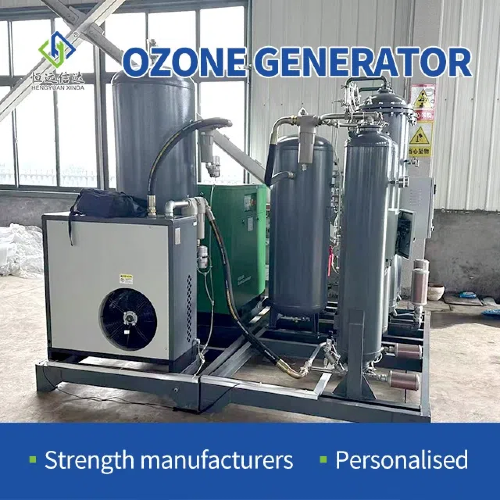
What an Ozone Generator Does in Food & Storage
Food Preservation
Ozone extends the shelf life of fruits, vegetables, seafood, and meat. By killing surface bacteria and slowing down spoilage processes, ozone ensures food remains fresh for longer periods. Importantly, this preservation is achieved without synthetic chemicals, making it a more natural and consumer-friendly approach.
Cold Storage and Processing Plants
In large-scale food facilities, ozone generators are used to sanitize storage rooms, cold chambers, and processing equipment. This prevents cross-contamination, enhances hygiene standards, and reduces product loss.
Key Applications in Food Industry
Application Area | Function of Ozone Generator | Benefits |
Fresh Produce | Kills bacteria and mold spores on fruits & vegetables | Longer shelf life, reduced waste |
Meat & Seafood | Reduces microbial growth and eliminates fishy smell | Maintains freshness and safety |
Cold Storage | Disinfects storage chambers and prevents mold | Hygiene compliance, product quality |
By improving hygiene and reducing spoilage, ozone technology supports both food safety and economic efficiency in the food industry.
Broader Industrial Applications of Ozone Generators
Healthcare and Laboratories
Hospitals and laboratories use ozone generators to disinfect surgical rooms, medical instruments, and air conditioning systems. This reduces the risk of hospital-acquired infections (HAIs), which are a major concern in healthcare environments. Ozone’s ability to reach small crevices and disinfect without chemicals makes it especially valuable in sterile environments.
Agriculture and Aquaculture
In livestock farms, ozone helps reduce odor emissions and disinfect barns, creating healthier living conditions for animals.
In aquaculture, ozone sterilizes water, controls parasites, and enhances fish health, improving overall yield and quality.
Pharmaceutical and Chemical Industries
Ozone generators are widely applied in:
Pharmaceutical production for sterilization of equipment and clean rooms.
Chemical manufacturing as a powerful oxidizing agent in synthesis processes.
These applications demonstrate ozone’s versatility across industries beyond basic sanitation.
Benefits of Using an Ozone Generator
Environmental Benefits
Leaves no harmful chemical residues.
Reduces dependency on chlorine and other traditional disinfectants.
Naturally decomposes into oxygen after use, minimizing environmental impact.
Health Benefits
Provides cleaner air and water, reducing risks of allergies, infections, and contamination.
Improves overall food hygiene, ensuring safer consumption.
Economic Benefits
Extends the shelf life of food products, reducing waste and cost.
Lowers maintenance costs in water treatment plants by reducing chemical use.
Cuts expenses on chemical sanitizers and neutralizers across industries.
Risks and Limitations of Ozone Generators
While ozone generators offer many advantages, they must be used responsibly.
Health Risks
High concentrations of ozone can irritate the respiratory system.
Prolonged exposure may cause coughing, chest pain, or lung discomfort.
Safety Considerations
Operate in unoccupied spaces when generating high ozone levels.
Ensure proper ventilation before re-entry.
Choose generators equipped with automatic shutoff, timers, and ozone concentration controls to ensure safe usage.
How Ozone Generators Compare with Other Technologies
Technology | Main Function | Pros | Cons |
Ozone Generator | Disinfection, deodorization, purification | Strong oxidizer, no chemical residues, versatile | Can be harmful in high concentrations |
HEPA Filter | Captures particles and allergens | Effective for dust & pollen, safe | Cannot kill microbes, limited against odors |
UV Sterilizer | Destroys microorganisms with UV-C light | Chemical-free, fast | Limited to surface and line-of-sight exposure |
Chlorination | Water disinfection | Low cost, widely used | Produces chemical by-products, taste issues |
This comparison shows that while each technology has its strengths, ozone generators stand out for their broad effectiveness across both air and water.
Choosing the Right Ozone Generator
When selecting an ozone generator, consider:
Application – Decide whether it is for air purification, water treatment, or food preservation.
Capacity – Ensure the ozone output matches the size of the space, tank, or facility.
Safety Features – Look for devices with automatic shutoff, timers, and adjustable ozone levels.
Maintenance & Support – A generator backed by strong after-sales service ensures reliability and long-term performance.
Making an informed choice ensures that the ozone generator you select will effectively meet your needs while operating safely.
Conclusion
So, what does an ozone generator do? In essence, it harnesses the natural power of ozone to disinfect, deodorize, and purify. Whether applied in air purification, water treatment, food preservation, or industrial sanitation, ozone generators stand out as effective and environmentally responsible solutions. By understanding how ozone works and where it can be applied, individuals and industries can take proactive steps to improve health, safety, and long-term sustainability.
For those exploring reliable ozone generator systems, choosing a trusted partner is essential. Weifang Hengyuan Environmental Protection Water Treatment Equipment Co., Ltd. has extensive experience in providing advanced disinfection and water treatment technologies, offering both standard and customized ozone generator solutions. The company is known for its commitment to quality, innovation, and professional service, supporting clients across sectors such as municipal water plants, food processing, and industrial wastewater treatment.
If you are seeking effective ways to enhance air quality, ensure safe water, or improve environmental protection in your operations, consider reaching out to Weifang Hengyuan Environmental Protection Water Treatment Equipment Co., Ltd. for more information and tailored guidance. Their expertise can help you achieve cleaner, safer, and more sustainable results.
 English
 العربية
 Français
 Русский
 Español
 Português
 Deutsch
 italiano
 日本語
日本語 한국어
한국어 Nederlands
 Tiếng Việt
 ไทย
ไทย Türkçe
 አማርኛ
አማርኛ ພາສາລາວ
 Bahasa Melayu
 Filipino
 Bahasa Indonesia
 magyar
 Română
 Монгол
 қазақ
қазақ Српски
 हिन्दी
 فارسی
فارسی Kiswahili
 Slovenščina
 Svenska
 Ελληνικά
 Suomi
Suomi Dansk
Dansk Shqip
Shqip বাংলা
বাংলা Oʻzbekcha
 Azərbaycan dili
 íslenska


