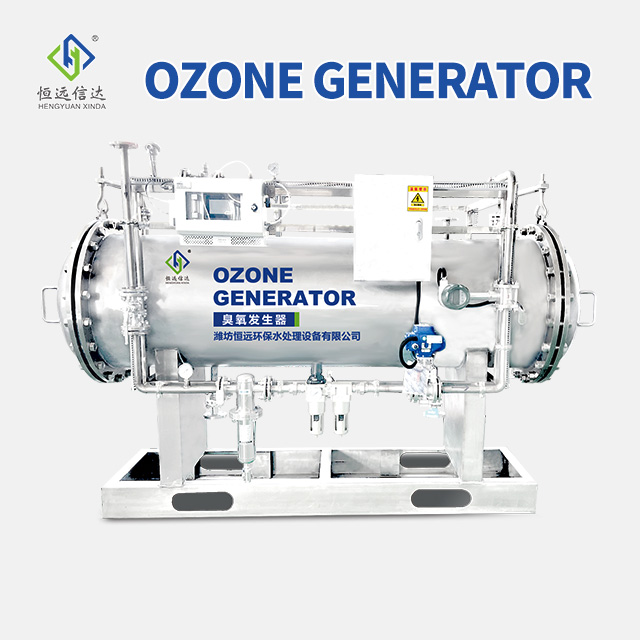
Indoor air quality has become a significant concern in recent years, especially with increasing awareness of pollutants and allergens that can affect health. Among the solutions available, ozone generators and air purifiers are often considered for improving air quality. Understanding the differences between these two technologies is crucial for making informed decisions. This article delves into the key distinctions between ozone generators and air purifiers, providing a comprehensive analysis to guide consumers and professionals alike. For businesses seeking advanced solutions, exploring an ozone generator for sale might present new opportunities.
Understanding Ozone Generators
Mechanism of Ozone Generators
Ozone generators produce ozone (O3) by breaking apart oxygen molecules (O2) and allowing single oxygen atoms to recombine with other oxygen molecules. This process typically involves corona discharge or ultraviolet radiation methods. The generated ozone is a powerful oxidizing agent capable of neutralizing various pollutants and microorganisms.
In water treatment, an ozone generator for water applications is utilized to disinfect and remove contaminants. Ozone effectively eliminates bacteria, viruses, and other pathogens without leaving harmful residues, making it an attractive option for ensuring water quality.
Applications of Ozone Generators
Ozone generators are employed in various industries due to their strong oxidizing properties. Common applications include:
Odor removal in commercial and residential settings.
Disinfection in water treatment facilities using water ozone generator systems.
Mold and mildew remediation.
Industrial oxidation processes.
The use of a portable ozone generator allows for flexible deployment in various settings, enhancing its practicality for on-site applications.
Understanding Air Purifiers
Mechanism of Air Purifiers
Air purifiers are devices designed to remove contaminants from the air through filtration, adsorption, or ionization. High-Efficiency Particulate Air (HEPA) filters are commonly used to capture particles as small as 0.3 microns with 99.97% efficiency. Activated carbon filters absorb odors and gaseous pollutants, while ultraviolet (UV) lights can neutralize biological contaminants.
Some advanced air purifiers incorporate multiple technologies to enhance indoor air quality effectively. These systems aim to provide a safe environment by reducing allergens, pollutants, and airborne pathogens.
Applications of Air Purifiers
Air purifiers are widely used in homes, offices, hospitals, and industrial settings. Their primary functions include:
Eliminating allergens such as dust, pollen, and pet dander.
Reducing indoor pollutants from household products and building materials.
Improving air quality for individuals with respiratory conditions.
Maintaining sterile environments in medical facilities.
Key Differences Between Ozone Generators and Air Purifiers
Effectiveness in Odor Removal
Ozone generators are particularly effective in eliminating strong odors by oxidizing odor-causing molecules. This makes devices like an ozone generator for odor removal highly valuable in smoke damage restoration, waste treatment facilities, and industrial settings.
Conversely, air purifiers primarily remove particles and some gaseous pollutants through filtration. While activated carbon filters can absorb odors, they may not be as effective against persistent or strong odors compared to ozone generators.
Safety Considerations
Safety is a critical factor distinguishing ozone generators from air purifiers. Ozone at high concentrations can be harmful to human health, potentially causing respiratory irritation and other symptoms. Therefore, the use of ozone generators requires careful control and often necessitates unoccupied spaces during operation.
Air purifiers, on the other hand, are generally safe for continuous use in occupied spaces. They are designed to improve air quality without introducing harmful substances, making them suitable for homes and workplaces.
Use in Water Treatment
Ozone generators play a significant role in water treatment, where ozone's oxidizing properties disinfect water without residual chemicals. A water ozone generator effectively removes microorganisms and organic pollutants, enhancing water safety and taste.
Air purifiers are not applicable in water treatment processes, as their technologies are tailored to air filtration and do not address waterborne contaminants.
Selecting the Right Solution for Your Needs
Factors to Consider
Choosing between an ozone generator and an air purifier depends on specific needs and circumstances. Key considerations include:
Purpose: For general air purification and allergen reduction, an air purifier is typically more appropriate. For eliminating strong odors or disinfecting water, an ozone generator may be more effective.
Safety: Consider the safety implications of ozone exposure. Ensure that ozone generators are used in accordance with safety guidelines and in unoccupied spaces.
Regulations: Be aware of local regulations regarding ozone generator usage, as some areas have restrictions due to health concerns.
Quality and Reliability: Opt for reputable manufacturers and suppliers. Companies like Weifang Hengyuan Environmental Protection Water Treatment Equipment Co., Ltd. offer high-quality ozone generator machines that meet industry standards.
Assessing these factors helps in making an informed decision that aligns with health, safety, and operational requirements.
Understanding the distinctions between ozone generators and air purifiers is essential for selecting the appropriate technology for air or water treatment needs. While ozone generators excel in odor removal and water disinfection, they require careful handling due to safety considerations. Air purifiers offer a safe and effective means of improving indoor air quality by removing particulates and certain pollutants.
For industries and consumers seeking advanced solutions, exploring options like a top rated ozone generator or consulting with experts can provide valuable insights. Companies such as Weifang Hengyuan Environmental Protection Water Treatment Equipment Co., Ltd. offer comprehensive products and services to meet diverse environmental protection needs. Their commitment to innovation and quality makes them a noteworthy consideration for those interested in cutting-edge water and air treatment technologies.
Ultimately, the choice between an ozone generator and an air purifier should be based on a thorough assessment of the specific application, safety requirements, and desired outcomes. By leveraging the strengths of each technology, it is possible to achieve optimal air and water quality for both residential and commercial environments.
It is a production-oriented high-tech enterprise integrating R&D, production and sales of water treatment equipment, disinfection equipment and ecological toilets. It has won the honorary titles of National.
 English
 العربية
 Français
 Русский
 Español
 Português
 Deutsch
 italiano
 日本語
日本語 한국어
한국어 Nederlands
 Tiếng Việt
 ไทย
ไทย Türkçe
 አማርኛ
አማርኛ ພາສາລາວ
 Bahasa Melayu
 Filipino
 Bahasa Indonesia
 magyar
 Română
 Монгол
 қазақ
қазақ Српски
 हिन्दी
 فارسی
فارسی Kiswahili
 Slovenščina
 Svenska
 Ελληνικά
 Suomi
Suomi Dansk
Dansk Shqip
Shqip বাংলা
বাংলা Oʻzbekcha
 Azərbaycan dili
 íslenska