In the wastewater treatment process, sludge dewatering is a critical step that helps reduce the volume of sludge, making it easier and more cost-effective to handle, transport, and dispose of. The Screw Press Sludge Dewatering Machine has become a game-changer in this field, offering an efficient and environmentally friendly solution to optimize sludge dewatering. This machine utilizes a rotating screw mechanism to separate water from the sludge, effectively minimizing its volume while producing a drier and more manageable by-product. Not only does it improve the overall efficiency of wastewater treatment, but it also helps reduce energy consumption, maintenance costs, and environmental impact. In this article, we will explore how the Screw Press Sludge Dewatering Machine works, its key benefits, and how it optimizes wastewater treatment operations for municipalities and industries alike.
What is the Screw Press Sludge Dewatering Machine?
1. Definition and Functionality
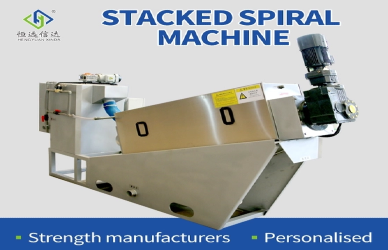
The Screw Press Sludge Dewatering Machine is designed to reduce the volume of sludge by removing water. It uses a rotating screw to compress and move the sludge through a tapered screen. As the sludge moves, water is expelled under pressure, leaving behind a drier, more compact solid mass. This high-pressure process makes it ideal for wastewater treatment, industrial processes, and agriculture.
2. Key Features
Screw Press Mechanism: The rotating screw moves the sludge along a conical screen, applying pressure to separate water from solid particles.
High-Pressure Compression: The screw creates high-pressure compression, efficiently expelling water from the sludge, with pressure adjustments based on sludge type.
Water Separation: The machine effectively separates water from sludge, making it easier to handle, transport, and dispose of. The liquid phase (filtrate) can be treated further or safely discharged.
3. Components
Screw Conveyor: The main component that moves the sludge, applying pressure to expel water.
Dewatering Screen: A mesh screen that allows water to pass through while retaining solid particles, optimized for filtration.
Sludge Discharge Port: Collects and expels the dewatered sludge in a compact form for easier disposal.
Filtrate Outlet: Discharges the separated water (filtrate) for further treatment or safe discharge.
This machine is highly effective in sludge dewatering, reducing waste volume and improving the management of wastewater treatment processes.
How the Screw Press Sludge Dewatering Machine Optimizes Wastewater Treatment
1.Efficient Sludge Volume Reduction
One of the primary benefits of the Screw Press Sludge Dewatering Machine is its ability to significantly reduce the volume of sludge. By efficiently separating water from the solid waste, the machine compresses the sludge into a drier, more manageable form. This volume reduction makes it easier to handle, transport, and dispose of the sludge. For wastewater treatment facilities, this means lower disposal costs and a more streamlined process for sludge management. The compacted sludge can also be more easily treated further or safely disposed of, reducing the environmental impact.
2.Improved Water Quality
The Screw Press Sludge Dewatering Machine plays a crucial role in enhancing the quality of water discharge. By effectively removing excess water from the sludge, the machine ensures that the resulting filtrate is cleaner and more suitable for further treatment or discharge. This separation of water and solids helps to prevent contamination of water sources and improves the overall water quality. In wastewater treatment plants, this process is essential for meeting regulatory standards and reducing the environmental impact of effluent discharge.
3.Energy Efficiency
Compared to traditional dewatering methods, such as belt presses or centrifuges, the Screw Press Sludge Dewatering Machine is much more energy-efficient. The screw press technology uses less power by relying on a mechanical screw mechanism rather than high-speed motors or pumps, which can consume large amounts of energy. This energy efficiency not only lowers operating costs but also makes the machine a more sustainable choice for long-term operations. The reduced energy consumption is especially important in facilities that treat large volumes of wastewater, where energy savings can add up significantly over time.
4.Low Maintenance
The design of the Screw Press Sludge Dewatering Machine is engineered for low maintenance and high durability. Unlike traditional systems that have more complex moving parts, the screw press system is simpler and requires fewer parts that can wear out or require replacement. The minimal wear and tear mean reduced downtime and lower maintenance costs, allowing the machine to operate more efficiently over its lifespan. Routine maintenance typically involves cleaning and checking for minor wear, which is relatively simple and cost-effective compared to more complicated systems.
5.Environmentally Friendly
In addition to its technical benefits, the Screw Press Sludge Dewatering Machine is also environmentally friendly. By reducing sludge volume, it minimizes the amount of waste that needs to be transported, treated, or disposed of. The energy efficiency of the system also lowers the carbon footprint of wastewater treatment plants. Moreover, the cleaner water discharged through the filtrate outlet can be further treated or safely released into the environment, ensuring that the plant adheres to environmental regulations. The overall impact is a more sustainable and eco-friendly wastewater treatment process that reduces the strain on natural resources.
Advantages of Using the Screw Press Sludge Dewatering Machine
1.Cost Savings
The Screw Press Sludge Dewatering Machine helps reduce disposal costs by efficiently dewatering sludge, lowering its volume. Additionally, its energy-efficient design reduces electricity consumption, leading to overall savings in operational costs.
2.Compact Design
With its space-saving features, the machine fits into tight spaces while maintaining high performance. This makes it ideal for facilities with limited room or those looking to optimize their existing infrastructure.
3.High Capacity
The Screw Press Sludge Dewatering Machine can handle large volumes of sludge without sacrificing performance, making it suitable for high-capacity wastewater treatment plants. It processes high concentrations of sludge efficiently, ensuring smooth operation.
4.Customization
The machine can be customized to handle different sludge types and meet specific plant capacity requirements, ensuring optimal performance based on the unique needs of each facility.
Applications of the Screw Press Sludge Dewatering Machine
1.Municipal Wastewater Treatment
In municipal wastewater treatment, cities and municipalities rely on the Screw Press Sludge Dewatering Machine to handle the high volume of sewage and wastewater generated. The machine effectively reduces the volume of sludge produced in treatment plants, making it easier to handle, transport, and dispose of. By separating water from the solid waste, the machine ensures that the treated water meets discharge standards, while the dewatered sludge can be safely processed or disposed of. This results in improved efficiency in municipal wastewater treatment and cost savings for the local governments managing these facilities.
2.Industrial Applications
Various industries, such as food processing, chemical manufacturing, and paper mills, benefit from the Screw Press Sludge Dewatering Machine in their wastewater treatment processes. These industries generate significant amounts of sludge, which must be treated before disposal or reuse. The screw press technology is ideal for these applications due to its high capacity, low energy consumption, and ability to handle high-concentration sludge. In food processing, for example, the machine efficiently dewaters organic sludge, while in paper mills, it helps manage the waste generated from the pulping process, enabling effective waste management and compliance with environmental regulations.
3.Agricultural and Rural Applications
The Screw Press Sludge Dewatering Machine is also widely used in agricultural runoff treatment and rural sewage management. In rural areas, where conventional sewage treatment may not be feasible, the screw press helps to treat domestic wastewater and agricultural runoff by efficiently removing water from sludge. The dewatered sludge can be repurposed for composting or used as fertilizer in agricultural fields. This sustainable solution not only helps in managing waste but also contributes to the circular economy by turning waste into valuable resources for rural and agricultural communities.
FAQ: Screw Press Sludge Dewatering Machine
Q1: What type of sludge is best suited for the Screw Press Sludge Dewatering Machine?
Answer: The Screw Press Sludge Dewatering Machine is ideal for municipal sewage sludge, industrial sludge, and organic sludge like food processing waste. It works best with sludges of moderate to high solids concentration but may require pre-treatment for sticky or high-water-content sludges.
Q2: How much sludge can the Screw Press Sludge Dewatering Machine handle per day?
Answer: The machine can typically handle 5 to 30 tons of sludge per day, depending on the model and sludge characteristics. Capacity varies based on the type and moisture content of the sludge.
Q3: How does the Screw Press Sludge Dewatering Machine compare to other dewatering methods, like belt presses?
Answer: Compared to belt presses, the Screw Press Sludge Dewatering Machine is more compact, requires less maintenance, and is more energy-efficient. It also delivers a higher degree of dewatering and is more cost-effective in the long run due to simpler operation and lower maintenance needs.
Q4: What maintenance is required for the Screw Press Sludge Dewatering Machine, and how often should it be performed?
Answer: The machine requires routine cleaning, periodic lubrication, and inspections of key components like the screw and dewatering screen. Typically, monthly cleaning and annual inspections are sufficient, with part replacements occurring every 1-2 years depending on usage.
Conclusion
The Screw Press Sludge Dewatering Machine offers significant benefits for optimizing wastewater treatment by improving efficiency, reducing operational costs, and supporting sustainable water treatment practices. Its ability to efficiently separate water from sludge helps reduce sludge volume, making it easier to handle, transport, and dispose of. With low energy consumption, minimal maintenance, and a compact design, this machine is an ideal solution for wastewater treatment plants, municipalities, and industrial applications. Investing in this technology not only enhances the performance of wastewater treatment facilities but also contributes to long-term cost savings and environmental sustainability. By adopting the Screw Press Sludge Dewatering Machine, facilities can achieve better resource management, comply with environmental standards, and improve the overall effectiveness of their wastewater treatment processes.
 English
 العربية
 Français
 Русский
 Español
 Português
 Deutsch
 italiano
 日本語
日本語 한국어
한국어 Nederlands
 Tiếng Việt
 ไทย
ไทย Türkçe
 አማርኛ
አማርኛ ພາສາລາວ
 Bahasa Melayu
 Filipino
 Bahasa Indonesia
 magyar
 Română
 Монгол
 қазақ
қазақ Српски
 हिन्दी
 فارسی
فارسی Kiswahili
 Slovenščina
 Svenska
 Ελληνικά
 Suomi
Suomi Dansk
Dansk Shqip
Shqip বাংলা
বাংলা Oʻzbekcha
 Azərbaycan dili
 íslenska


