1. Why Evaluating Key Features in Sewage Treatment Equipment Matters
Effective sewage treatment plays an essential role in maintaining public health, protecting the environment, and ensuring compliance with regulations. Whether for municipalities, industries, or agricultural facilities, choosing the right sewage treatment equipment ensures wastewater is effectively treated and meets environmental standards.
This article provides a comprehensive guide on evaluating key features of sewage treatment equipment, helping businesses and municipalities select the optimal solutions for their wastewater treatment needs. By understanding essential factors like capacity, technology, and energy efficiency, you can make informed decisions that ensure long-term operational success.
2. Key Features to Evaluate in Sewage Treatment Equipment
When selecting sewage treatment equipment, it's essential to evaluate several features that directly impact its efficiency, regulatory compliance, and cost-effectiveness. Below are the key factors to consider:
Capacity and Size
The capacity of sewage treatment equipment must align with the wastewater volume you need to treat. Underestimating the required size can lead to overloading, inefficiency, and non-compliance with discharge regulations.
Assess Wastewater Flow Rate: Measure both average and peak flow rates of wastewater to determine the right equipment capacity.
Consider Future Growth: Opt for scalable systems that allow for capacity expansion as your wastewater volumes increase over time.
Technology and Treatment Method
The technology used in sewage treatment is one of the most significant factors influencing system performance. Different methods of treatment include biological, chemical, and physical processes, each requiring different types of equipment.
Biological Treatment: Activated sludge, trickling filters, and membrane bioreactors are used to treat organic matter using microorganisms.
Chemical Treatment: Coagulation and flocculation systems remove suspended solids and pollutants that biological methods cannot treat.
Physical Treatment: Filtration, sedimentation, and flotation processes remove particulate matter.
Energy Efficiency
Energy consumption is a major operational cost in sewage treatment. Modern equipment is designed to minimize energy usage while maintaining high treatment efficiency.
Low-Energy Aeration Systems: Choose systems that use energy-efficient aeration methods like fine-bubble diffusers to reduce energy consumption.
Energy Recovery: Some systems allow for the recovery of energy, such as using biogas for power generation, making the treatment process more sustainable.
Automation and Monitoring Systems
Automation has revolutionized sewage treatment by improving the accuracy, consistency, and efficiency of the process. Automated systems monitor real-time data and adjust operational parameters to optimize treatment performance.
Real-Time Monitoring: Automated systems track key treatment parameters (e.g., flow rates, chemical dosing, effluent quality) to ensure the process remains optimal.
Automated Control: These systems make automatic adjustments to aeration, chemical dosing, and other treatment stages, reducing the need for manual intervention.
Maintenance and Durability
Low-maintenance equipment is crucial for minimizing downtime and operational costs. Equipment that is designed for durability and ease of maintenance will perform consistently over time and reduce repair frequency.
Self-Cleaning Components: Look for systems with self-cleaning features that reduce the need for manual cleaning.
Corrosion-Resistant Materials: Choose systems made from materials that withstand harsh wastewater conditions and require less frequent repairs.
Regulatory Compliance
Compliance with local, national, and international regulations is non-negotiable. Sewage treatment equipment must meet environmental standards for pollutant removal, ensuring the treated water is safe for discharge or reuse.
Discharge Standards: Verify that the equipment complies with standards such as BOD (Biochemical Oxygen Demand), TSS (Total Suspended Solids), and pathogen levels.
Global Standards: If applicable, check for certifications like ISO 9001 or ISO 14001 to ensure the equipment adheres to international quality standards.
Cost-Effectiveness
Evaluating the total cost of ownership (TCO) is critical. While modern equipment may require a higher initial investment, it often leads to significant savings in energy, maintenance, and regulatory compliance over time.
Initial Investment: Consider the upfront purchase cost of the system.
Long-Term Savings: Evaluate operational costs, including energy consumption, maintenance, and chemical usage, over the lifespan of the equipment.
3. Advanced Features in Sewage Treatment Equipment
Modern sewage treatment equipment often incorporates advanced features designed to improve efficiency, sustainability, and treatment quality. These advanced features help meet the growing demands of wastewater treatment.
Modularity and Flexibility
Modular systems are flexible and scalable, offering solutions for small spaces or temporary installations. These systems can be expanded or modified as wastewater treatment needs change.
Modular Units: Pre-fabricated, compact systems that are easy to install and scale.
Flexibility for Growth: Allows for easy upgrades to accommodate future increases in wastewater volumes.
Advanced Filtration and Disinfection
For industries or municipalities requiring high-quality effluent, advanced filtration and disinfection methods are essential. These technologies ensure that treated water meets stringent discharge or reuse standards.
Reverse Osmosis (RO)
Reverse osmosis is a highly effective filtration process that removes dissolved solids, salts, and contaminants, providing ultra-purified water.
Feature | Reverse Osmosis | Applications |
Purification | Removes dissolved solids and contaminants | Desalination, potable water production, industrial applications |
Efficiency | High removal efficiency | Ideal for wastewater with high dissolved solids |
UV and Ozone Disinfection
UV light and ozone are used for disinfecting water by killing bacteria, viruses, and other pathogens.
UV Disinfection: Uses UV light to inactivate microorganisms, ensuring that treated water is free of harmful pathogens.
Ozone Treatment: Ozone is a powerful oxidizing agent that disinfects water by destroying microorganisms at the molecular level.
Sustainability Features
Sustainable wastewater treatment solutions are increasingly important for businesses looking to reduce their environmental impact.
Energy-Efficient Solutions: Modern systems are designed to minimize energy consumption without sacrificing performance.
Eco-Friendly Materials: Equipment that uses eco-friendly chemicals and processes helps reduce the overall environmental footprint.
4. How to Evaluate a Supplier of Sewage Treatment Equipment
The right supplier can significantly influence the effectiveness of your sewage treatment system. It is important to choose a supplier who can provide reliable, high-quality equipment and offer excellent customer support.
Reputation and Expertise
Look for suppliers with a proven track record in the sewage treatment industry. Research their past projects, customer reviews, and certifications.
Customization and Support
A good supplier will offer tailored solutions to meet your unique needs and provide continuous support.
Customization: Suppliers who offer customized systems can design solutions to meet specific wastewater treatment challenges.
After-Sales Support: Ensure the supplier provides installation, training, and troubleshooting services.
Warranty and Service Agreements
Ensure the supplier provides clear warranty terms and offers maintenance agreements to protect your investment in sewage treatment equipment.
5. Evaluating Cost vs. Benefit: Making the Right Decision
Choosing sewage treatment equipment involves balancing cost with performance. It is essential to evaluate both short-term and long-term costs to make a well-informed decision.
Short-Term vs. Long-Term Savings
While advanced equipment may have higher upfront costs, they often provide savings in the form of reduced energy consumption, fewer maintenance requirements, and longer service life.
Initial Investment: Consider the purchase cost of the equipment.
Long-Term Savings: Look at energy costs, maintenance, and operational efficiency over the equipment's lifespan.
Making the Final Decision
When making the final decision, consider the overall cost-effectiveness, the equipment’s ability to meet your specific needs, and the supplier’s reputation. Consulting with industry experts can help you make the right choice.
6. Conclusion
In conclusion, understanding the key features of sewage treatment equipment is essential for selecting the right solution to manage wastewater efficiently. By evaluating factors such as capacity, energy efficiency, automation, and regulatory compliance, you can achieve effective treatment, reduce operational costs, and ensure long-term sustainability.
When making your decision, it’s crucial to look beyond initial costs and consider the long-term operational benefits that the right equipment can offer. The ideal system not only meets regulatory standards but also delivers continuous performance, energy savings, and minimal maintenance.
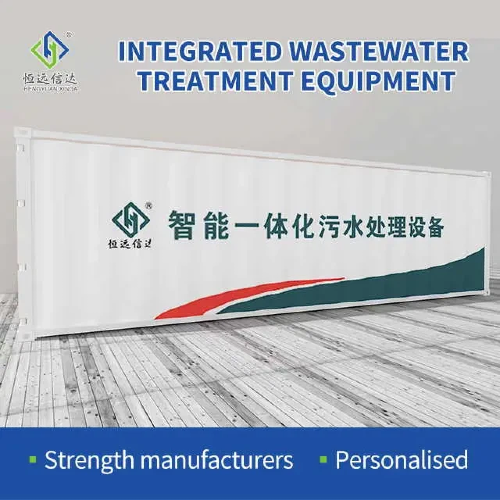
For businesses and municipalities looking for reliable and efficient sewage treatment solutions, Weifang Hengyuan Environmental Protection Water Treatment Equipment Co., Ltd offers expert guidance and advanced, customizable equipment tailored to meet your specific needs. Their experienced team can help you make an informed choice, ensuring that your wastewater management system is both cost-effective and compliant with environmental standards. Reach out to their experts for more information or to discuss how they can support your wastewater treatment goals.
7. FAQ
What is the most important feature to consider when selecting sewage treatment equipment?
Answer: Capacity is crucial, as the equipment must match the wastewater volume. Energy efficiency and regulatory compliance are also key considerations.
How can energy efficiency affect the performance of sewage treatment equipment?
Answer: Energy-efficient systems reduce operational costs by minimizing energy consumption, while still providing effective treatment.
What types of maintenance should I expect from sewage treatment equipment?
Answer: Maintenance typically includes monitoring system performance, cleaning, and replacing parts like filters. Look for systems that minimize downtime and maintenance frequency.
How do modular sewage treatment systems benefit smaller operations or temporary installations?
Answer: Modular systems are flexible, easy to install, and scalable, making them ideal for businesses with space constraints or those requiring temporary solutions.
Why is regulatory compliance important when selecting sewage treatment equipment?
Answer: Compliance ensures that the treated water meets environmental discharge standards, preventing penalties and protecting public health and ecosystems.
 English
 العربية
 Français
 Русский
 Español
 Português
 Deutsch
 italiano
 日本語
日本語 한국어
한국어 Nederlands
 Tiếng Việt
 ไทย
ไทย Türkçe
 አማርኛ
አማርኛ ພາສາລາວ
 Bahasa Melayu
 Filipino
 Bahasa Indonesia
 magyar
 Română
 Монгол
 қазақ
қазақ Српски
 हिन्दी
 فارسی
فارسی Kiswahili
 Slovenščina
 Svenska
 Ελληνικά
 Suomi
Suomi Dansk
Dansk Shqip
Shqip বাংলা
বাংলা Oʻzbekcha
 Azərbaycan dili
 íslenska


