In industrial machinery and wastewater treatment systems, machine screws are an essential component for assembling and securing parts. Correctly screwing in machine screws is crucial for ensuring the equipment operates efficiently and safely. One such piece of machinery where the proper installation of screws is vital is the Stacked Screw Machine, an advanced tool used in wastewater treatment, particularly in sludge dewatering processes.
In this article, we will guide you on how to screw in machine screws properly, specifically focusing on the Stacked Screw Machine. Whether you are maintaining or assembling this equipment, understanding how to correctly screw in these fasteners is critical to machine performance and longevity.
What are Machine Screws and Why Are They Important?
What Are Machine Screws?
Machine screws are fasteners designed to hold parts together by threading into pre-threaded holes in the parts they connect. They come in various sizes, types, and materials, designed to meet specific requirements in mechanical and industrial applications. Unlike bolts, which require nuts to secure parts, machine screws are typically used with pre-threaded holes in one of the connected parts.
Importance of Machine Screws in Equipment
Machine screws play a fundamental role in securing the components of industrial machinery. In the context of the Stacked Screw Machine, screws are used to hold critical parts such as the screw presses, filtration systems, and other key elements in place. Without properly installed screws, machinery can fail to function properly, causing delays, increased maintenance costs, and reduced operational efficiency.
Tools and Equipment Needed for Screwing in Machine Screws
Essential Tools for Machine Screw Installation
Before you begin installing machine screws, it's essential to have the right tools at your disposal. Using the correct equipment not only ensures a tight and secure fit but also prevents damage to the screws or the machinery itself. Below is a list of tools that are commonly used for screwing in machine screws:
1. Screwdrivers
A screwdriver is the most common tool used for installing machine screws. Depending on the screw head type (e.g., flathead, Phillips, or Torx), you will need the corresponding screwdriver.
2. Power Drills
For larger screws or when dealing with numerous screws, a power drill can be used. Power drills are efficient for quickly driving screws but should be used carefully to avoid overtightening.
3. Magnetic Screwdriver
A magnetic screwdriver is highly beneficial for handling small screws, as it holds the screw in place, preventing it from falling out during installation.
4. Torque Wrench
A torque wrench is used to apply a precise amount of torque to a screw, ensuring that it is not overtightened. This is particularly important when working with sensitive machinery like the Stacked Screw Machine, where improper torque can lead to thread damage or machine malfunction.
Other Helpful Equipment
1. Washers
Washers are often used in conjunction with machine screws to provide a larger surface area for the screw to make contact with, preventing damage to the material being fastened.
2. Lock Nuts and Locking Washers
These are used to prevent screws from loosening over time, especially in environments with vibration or movement. In machinery like the Stacked Screw Machine, lock washers and lock nuts can help secure screws that are under constant stress.
Step-by-Step Guide to Screwing in Machine Screws
Step 1: Preparation
Before installing machine screws, ensure that the machine parts are clean and free from debris. Any dirt or contaminants can cause improper installation or compromise the integrity of the screw connection. Here’s how to prepare:
Inspect the Screws: Ensure that the screws are the right size and type for your machine and that they are in good condition.
Align the Parts: Properly align the parts to be connected. Misalignment can cause the screw to go in at an angle, damaging the threads or making the screw less effective.
Clean the Holes: If the holes are threaded, make sure they are clean and free from any residue.
Step 2: Inserting the Screw
With the screw in hand, insert it into the corresponding hole. If you are working with the Stacked Screw Machine, carefully insert the screws into the holes designated for the screw press assembly. The screw should go in easily without resistance. If the screw feels stuck, do not force it – instead, check for any debris or obstructions in the hole.
Step 3: Tightening the Screw
Once the screw is inserted into the hole, it is time to tighten it. Use the appropriate tool based on the screw type (manual screwdriver for smaller screws, power drill for larger ones).
When tightening, ensure that you do not overtighten the screw, as it can lead to stripping the threads or damaging the machinery. If you're using a torque wrench, refer to the manufacturer's specifications for the correct torque to apply.
Step 4: Checking Alignment and Stability
After tightening the screw, check the alignment of the parts to ensure that everything is secured correctly. Misaligned parts can cause operational issues or wear over time. Gently test the assembly by applying light pressure to see if it moves or shifts. If it does, the screw may need to be tightened further.
Step 5: Final Inspection
Once all screws are in place, conduct a final inspection to ensure that every screw is properly tightened to the required torque. Verify that all parts are securely fastened and that there are no gaps or misalignments. For critical machinery like the Stacked Screw Machine, even small errors in screw installation can lead to larger operational failures.
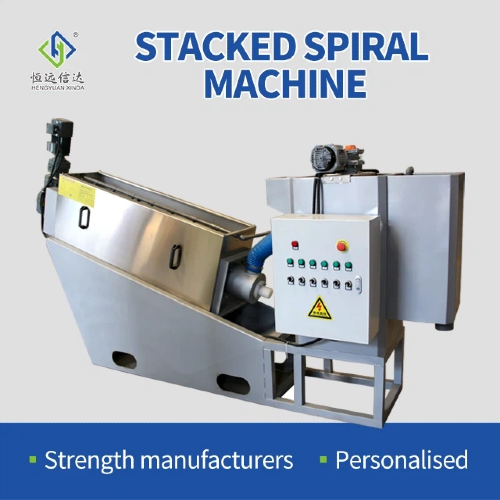
Best Practices for Installing Screws in Heavy-Duty Equipment Like the Stacked Screw Machine
Precision Matters in Industrial Applications
When working with heavy-duty equipment like the Stacked Screw Machine, precision is critical. The quality of the screw installation directly impacts the machine's efficiency and durability. Always follow the manufacturer's recommendations regarding screw size, torque specifications, and installation guidelines.
Avoiding Common Mistakes
Mistake | Consequences | How to Avoid |
Cross-threading | Damages threads, leading to leaks or failure to tighten | Ensure screws align properly before tightening. |
Using Incorrect Screw Size | Weak connections, damage to parts | Always check the manufacturer’s specifications. |
Over-tightening | Stripped threads, damage to machine | Use a torque wrench and follow specified limits. |
Preventing Screw Loosening in Vibrating Equipment
In equipment like the Stacked Screw Machine, where constant movement and vibration occur, screws can loosen over time. To prevent this:
Use locking washers or thread-locking compounds to secure screws and prevent loosening.
Regularly check and re-tighten screws during scheduled maintenance.
Maintenance and Troubleshooting
Maintaining Screws for Optimal Performance
To ensure that the screws continue to perform at their best, periodic maintenance is essential. Here’s how to maintain machine screws:
Clean Screws Regularly: Dirt and grime can affect screw performance. Regularly clean screws to maintain their grip and functionality.
Inspect for Corrosion: Machine screws in environments with high humidity or exposure to chemicals may corrode. Replace any corroded screws immediately.
Tighten Periodically: Vibrations and other factors may cause screws to loosen over time. Tighten screws periodically to ensure everything stays secure.
Troubleshooting Common Issues
Screw Loosening: If screws tend to loosen frequently, consider using a thread-locking compound or lock washers.
Cross-Threading: If you notice the screw is not fitting properly, stop immediately and inspect for any cross-threading. If this occurs, you may need to replace the screw or re-thread the hole.
Stripped Threads: If you have stripped the threads, you may need to replace the screw hole or insert a thread repair kit.
Conclusion
Properly screwing in machine screws is crucial for the optimal performance and longevity of industrial equipment such as the Stacked Screw Machine. By following correct installation procedures, using the right tools, and adhering to industry best practices, you ensure your machinery runs efficiently and remains durable. Regular maintenance and meticulous attention during installation not only prevent costly repairs but also minimize downtime, ensuring your operations stay on track.
At Weifang Hengyuan Environmental Protection Water Treatment Equipment Co., Ltd., we specialize in providing high-quality wastewater treatment solutions, including the Stacked Screw Machine. Our team is dedicated to supporting your needs with expert advice and tailored solutions to enhance your machinery’s performance and longevity. If you’re looking to optimize your sludge dewatering processes or need guidance on machine installation and maintenance, feel free to reach out to us. Let us help you maintain the efficiency and reliability of your wastewater treatment systems for the long term.
FAQ
What type of machine screws are used in a Stacked Screw Machine?
The Stacked Screw Machine typically uses industrial-grade screws made from materials like stainless steel or carbon steel. These screws are designed to handle high-pressure and high-vibration environments commonly found in wastewater treatment systems.
Why is it important to use the correct torque when screwing in machine screws?
Using the correct torque ensures that the screw is tight enough to secure the parts without causing damage. Over-tightening can lead to thread stripping, while under-tightening can result in loose connections that affect machine performance.
How do I know if the machine screw is properly installed in my equipment?
You can check the screw installation by ensuring the screw is aligned with the hole, securely tightened without being over-tightened, and that the connected parts are properly aligned and stable.
Can I use power tools to screw in machine screws in a Stacked Screw Machine?
Yes, power tools such as drills or impact drivers can be used to screw in machine screws, especially for larger screws or when dealing with multiple screws. However, care must be taken to ensure proper torque and avoid overtightening.
 English
 العربية
 Français
 Русский
 Español
 Português
 Deutsch
 italiano
 日本語
日本語 한국어
한국어 Nederlands
 Tiếng Việt
 ไทย
ไทย Türkçe
 አማርኛ
አማርኛ ພາສາລາວ
 Bahasa Melayu
 Filipino
 Bahasa Indonesia
 magyar
 Română
 Монгол
 қазақ
қазақ Српски
 हिन्दी
 فارسی
فارسی Kiswahili
 Slovenščina
 Svenska
 Ελληνικά
 Suomi
Suomi Dansk
Dansk Shqip
Shqip বাংলা
বাংলা Oʻzbekcha
 Azərbaycan dili
 íslenska


