Sewage treatment is a crucial part of environmental protection, ensuring that wastewater is effectively purified before being released back into the environment. Whether for municipal, industrial, agricultural, or commercial use, choosing the right sewage treatment equipment plays a vital role in protecting public health, ensuring regulatory compliance, and optimizing operational costs.
This article will guide you through the essential steps to choosing the right sewage treatment equipment, discussing key factors like system types, capacity, and supplier selection. By the end of this article, you will have a clear understanding of how to make an informed decision that meets both your specific needs and environmental goals.
What Is Sewage Treatment Equipment and Why Is It Important?
Definition of Sewage Treatment Equipment
Sewage treatment equipment is used to treat wastewater and remove pollutants to ensure that the treated water is safe for discharge or reuse. The equipment used in sewage treatment can range from simple mechanical systems to advanced biological and chemical processes.
Some common types of sewage treatment equipment include:
Primary Treatment Systems: Basic equipment that removes large debris and solids from wastewater.
Secondary Treatment Systems: Biological processes, such as activated sludge, to further break down organic matter.
Tertiary Treatment Systems: Advanced filtration, chemical disinfection, and other processes to polish the treated water.
Modular Systems: Compact, pre-fabricated units that offer flexibility in space-limited areas or rapid deployment.
The Importance of Choosing the Right Sewage Treatment Equipment
Choosing the right equipment is critical because it directly impacts the efficiency and effectiveness of the treatment process. Inadequate or poorly chosen equipment can result in:
Ineffective wastewater treatment: Poorly treated water that may harm the environment.
Increased operational costs: Higher energy consumption and frequent maintenance requirements.
Regulatory non-compliance: Failing to meet environmental standards, which could lead to fines or legal issues.
Thus, selecting the right sewage treatment equipment ensures compliance with environmental regulations, reduces operating costs, and helps protect the environment.
Assessing Your Sewage Treatment Needs
Understanding Water Quality and Volume
When selecting sewage treatment equipment, the first step is to assess the volume and type of wastewater that needs to be treated. Different wastewater sources—municipal, industrial, agricultural, etc.—require different treatment methods and equipment. Factors to consider include:
Flow Rate: How much water is being treated on a daily or monthly basis.
Pollutants: The type and concentration of contaminants (e.g., organic matter, chemicals, heavy metals).
Regulatory Compliance
Each country has specific regulations regarding the quality of treated wastewater. Understanding local or international standards for water quality is essential for selecting the appropriate treatment equipment. Common regulations include:
Biochemical Oxygen Demand (BOD): A measure of the organic pollutants in the water.
Total Suspended Solids (TSS): The amount of solid particles that are suspended in water.
Treated Water Standards: Minimum required standards for the effluent before it is discharged into the environment.
Failing to comply with these regulations can result in legal consequences and environmental damage, so selecting equipment that ensures compliance is critical.
Key Factors to Consider When Choosing Sewage Treatment Equipment
Capacity and Size Requirements
The capacity of sewage treatment equipment must be carefully matched to the volume of wastewater it needs to handle. To determine the appropriate size for your system, start by assessing the wastewater flow rate. This includes estimating the daily or annual flow rate, considering both average and peak flows. If your operation experiences fluctuating wastewater volumes, you may need to factor in potential surges in demand, such as seasonal variations in industrial processes or population growth in municipal settings.
It's also important to consider future growth when selecting equipment. Opting for equipment that offers flexibility or scalability will allow you to easily increase capacity as your wastewater volumes grow. This foresight can save on costs in the long term, as it avoids the need for a complete system overhaul when demands increase.
Technological Features
Technological capabilities play a significant role in the performance and efficiency of sewage treatment equipment. Modern systems often feature automation for monitoring and controlling the treatment process. Automation enhances operational efficiency by minimizing human intervention, ensuring consistent performance, and reducing the risk of human error. Additionally, automated systems can provide real-time data and alerts, enabling operators to respond quickly to issues and optimize the treatment process.
Another essential technological feature is energy efficiency. As energy costs continue to rise, choosing equipment that is energy-efficient helps to lower operational expenses. Energy-efficient systems reduce the need for excessive power consumption, making them not only more eco-friendly but also more cost-effective over time.
Advanced filtration technologies such as microfiltration, ultrafiltration, or reverse osmosis can significantly improve the water quality of treated effluent. These filtration systems are designed to remove even the smallest particles, ensuring a higher standard of wastewater treatment, which is especially critical for industries with stringent discharge standards or for potable water reuse applications.
Maintenance and Cost Considerations
The maintenance requirements of sewage treatment equipment can vary depending on the type of system. Some systems, particularly older or more basic designs, may require frequent maintenance to keep them operating at peak efficiency. On the other hand, newer, advanced systems are often designed for low-maintenance operation, requiring less frequent servicing and reducing the overall operational burden.
In addition to maintenance, the Total Cost of Ownership (TCO) is a critical factor in choosing sewage treatment equipment. TCO encompasses not just the initial purchase price but also ongoing costs such as energy consumption, chemical usage, and spare parts. Choosing a system with lower TCO ensures long-term cost savings, making it an important consideration for businesses and municipalities alike. By evaluating both upfront and ongoing expenses, you can make a more informed decision that balances both performance and cost-efficiency.
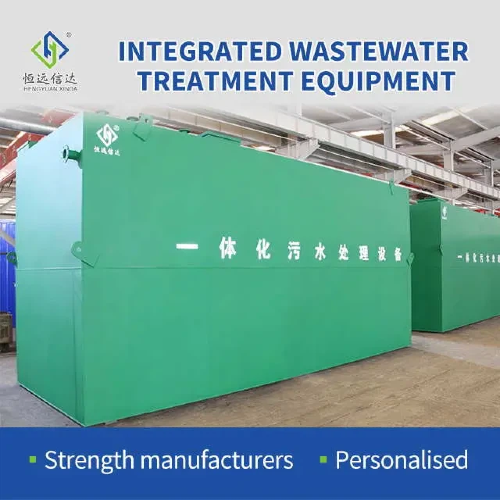
Different Types of Sewage Treatment Equipment
Biological Treatment Systems (MBR, MBBR, etc.)
Biological treatment systems are used to remove organic pollutants through biological processes. Common types include:
Membrane Bioreactors (MBR): MBR combines biological treatment and membrane filtration, offering high-quality effluent and compact design.
Moving Bed Biofilm Reactors (MBBR): MBBR uses biofilm technology to treat wastewater and is efficient in high-load situations.
These systems are ideal for industrial and municipal wastewater where organic contaminants are predominant.
Chemical and Physical Treatment Equipment
Chemical and physical treatment methods are often used when biological treatment is not enough. This includes:
Air Flotation Systems (DAF): These systems use air bubbles to float suspended solids to the surface, where they are removed.
Coagulation/Flocculation Systems: These systems add chemicals to the water to remove suspended solids.
These systems are essential for treating wastewater with high turbidity or complex contaminants.
Modular & Compact Systems
Modular sewage treatment systems are pre-engineered, compact, and often containerized. These systems are ideal for:
These systems are commonly used in temporary setups or for mobile sewage treatment needs, such as in construction sites or disaster relief operations.
Evaluating Equipment Suppliers and Manufacturers
Choosing the right supplier is just as important as selecting the right equipment. Consider these factors when evaluating suppliers:
Reputation and Expertise: Look for manufacturers with a proven track record in the sewage treatment industry.
Certifications and Compliance: Ensure that the supplier’s equipment meets regulatory standards.
Customization and Support: Choose suppliers who offer tailored solutions to meet your specific needs and provide strong after-sales support.
Making the Final Decision: Choosing the Right Sewage Treatment Equipment for Your Needs
Balancing Cost and Performance
Selecting sewage treatment equipment involves balancing upfront costs with long-term savings. Consider:
Initial Investment: While more advanced systems may cost more upfront, they may offer better efficiency and lower maintenance costs over time.
Operational Efficiency: Look for equipment that reduces energy consumption and lowers chemical usage.
Suitability for Specific Applications
Different types of sewage treatment equipment are suitable for different industries. Choose the right system based on:
Municipal Needs: Larger systems for urban wastewater treatment.
Industrial Wastewater: Systems designed for specific pollutants in industries such as food processing, textiles, or chemicals.
Agricultural Wastewater: Smaller, compact systems for managing livestock or agricultural waste.
Future-Proofing Your System
Consider the potential for future upgrades or expansion when choosing equipment. Select systems that can be scaled or upgraded easily as regulations change or wastewater volumes increase.
Conclusion
In conclusion, selecting the right sewage treatment equipment is critical to ensuring compliance with regulatory standards, improving operational efficiency, and minimizing environmental impact. By carefully considering factors such as wastewater volume, specific treatment needs, advanced technological features, and the reliability of equipment suppliers, you can make an informed decision that provides long-term operational and financial benefits.
For businesses and municipalities looking for high-quality sewage treatment solutions, Weifang Hengyuan Environmental Protection Water Treatment Equipment Co., Ltd offers a range of cutting-edge products designed to meet diverse wastewater management needs. With expertise in both standard and customized treatment systems, the company’s solutions provide efficiency, scalability, and sustainable results.
To learn more about the best sewage treatment options for your needs or to request personalized guidance, reach out to Weifang Hengyuan’s expert team. Their industry knowledge and commitment to quality will help you make the right choice for your wastewater treatment goals.
FAQ
Question | Answer |
What factors should I consider when choosing sewage treatment equipment? | The key factors include the wastewater flow rate, pollutant types, regulatory standards, equipment capacity, and ongoing maintenance requirements. |
What is the difference between biological and chemical sewage treatment systems? | Biological systems use natural processes to remove pollutants, while chemical systems rely on chemicals like coagulants to treat water. |
How do I know the right size of sewage treatment equipment for my needs? | You need to assess your wastewater flow rate and pollutant levels. Consulting a supplier or expert can help determine the right size. |
How can I ensure my sewage treatment equipment meets regulatory standards? | Ensure that the equipment complies with local and international environmental regulations and industry standards, and choose a certified supplier. |
What are the benefits of modular or containerized sewage treatment equipment? | These systems are compact, flexible, and easy to install. They offer a cost-effective solution for space-constrained areas and temporary applications. |
What is the lifespan of sewage treatment equipment? | Well-maintained equipment can last 10-20 years. Regular maintenance can extend the lifespan and ensure peak performance. |
 English
 العربية
 Français
 Русский
 Español
 Português
 Deutsch
 italiano
 日本語
日本語 한국어
한국어 Nederlands
 Tiếng Việt
 ไทย
ไทย Türkçe
 አማርኛ
አማርኛ ພາສາລາວ
 Bahasa Melayu
 Filipino
 Bahasa Indonesia
 magyar
 Română
 Монгол
 қазақ
қазақ Српски
 हिन्दी
 فارسی
فارسی Kiswahili
 Slovenščina
 Svenska
 Ελληνικά
 Suomi
Suomi Dansk
Dansk Shqip
Shqip বাংলা
বাংলা Oʻzbekcha
 Azərbaycan dili
 íslenska


