Water treatment is a critical component of modern infrastructure, ensuring that communities have access to clean and safe water. Among the various technologies employed, sodium hypochlorite generators have gained attention for their on-site disinfection capabilities. But do these generators truly deliver on their promise? This article delves into the efficacy of sodium hypochlorite generators, examining their operational mechanisms, benefits, and limitations. By exploring the science and application of these systems, we aim to provide a comprehensive understanding of their role in water treatment processes.
Understanding Sodium Hypochlorite Generation
Sodium hypochlorite (NaOCl) is a well-known disinfectant used extensively in water treatment. Traditionally, it has been supplied in liquid form, requiring transportation and handling of hazardous chemicals. On-site sodium hypochlorite generation presents an alternative, producing the disinfectant as needed, thereby reducing risks associated with storage and transport. But how does this process work?
The Electrochemical Process
At the core of sodium hypochlorite generators is the electrolysis of a saltwater brine solution. When an electric current passes through the brine, chlorine gas is produced at the anode and hydrogen gas at the cathode. The chlorine gas then reacts with the sodium hydroxide formed during electrolysis to produce sodium hypochlorite. This on-site sodium hypochlorite generation method ensures a fresh and effective disinfectant output.
Benefits of On-Site Generation
On-site generation offers several advantages over traditional chlorination methods. First, it eliminates the need to transport and store large quantities of hazardous chlorine gas or concentrated hypochlorite solutions. This reduces the risk of accidental releases and associated safety concerns. Additionally, generators can produce sodium hypochlorite at lower concentrations, which is safer to handle and reduces degradation over time.
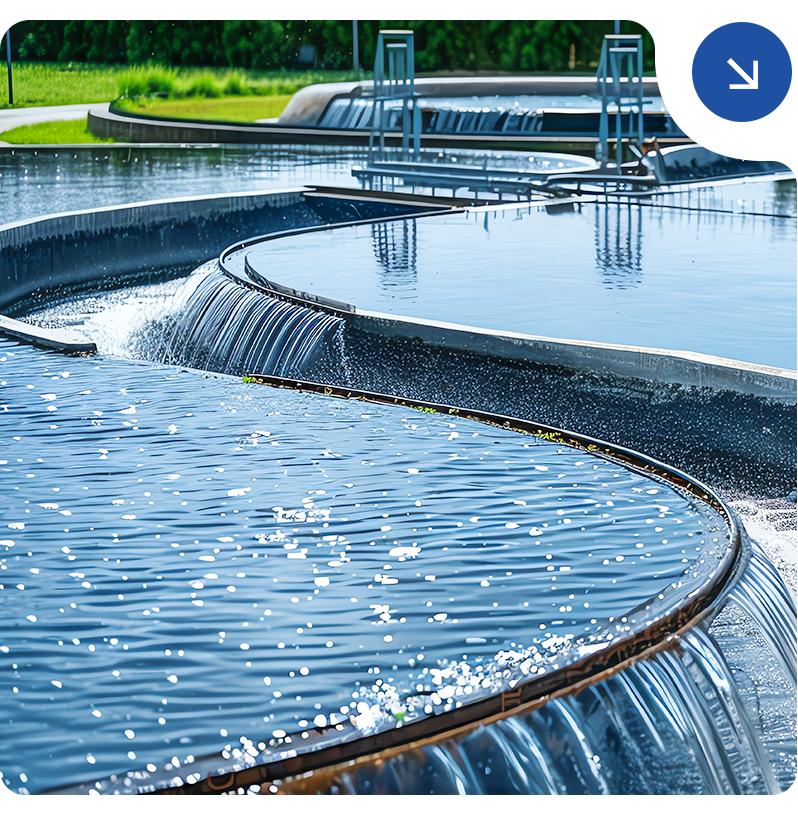
Evaluating the Effectiveness of Sodium Hypochlorite Generators
The primary question remains: do sodium hypochlorite generators work effectively in disinfecting water? To answer this, we must consider both the theoretical underpinnings and practical applications of these systems.
Disinfection Efficacy
Sodium hypochlorite is a potent oxidizing agent that inactivates a wide range of pathogens, including bacteria, viruses, and protozoa. Studies have demonstrated that when properly managed, on-site generated sodium hypochlorite achieves comparable disinfection levels to traditional methods. The freshness of the solution can enhance its effectiveness, as degradation of commercial hypochlorite solutions over time can reduce their potency.
Operational Considerations
The effectiveness of these generators also depends on proper operation and maintenance. Factors such as brine concentration, electrical input, and system upkeep can influence the output concentration and stability of the sodium hypochlorite produced. Training for operators and regular maintenance schedules are essential to ensure optimal performance.
Case Studies and Field Applications
Real-world applications provide valuable insights into the functionality of sodium hypochlorite generators. Municipalities and industrial facilities have reported successful implementation of these systems, noting improvements in safety and cost efficiency. For instance, a municipal water treatment plant that transitioned to an on-site sodium hypochlorite generator observed a reduction in operational costs and enhanced control over disinfection processes.
Comparing Generator Types and Technologies
Several types of sodium hypochlorite generators are available, each with distinct features catering to different needs. Understanding these variations is crucial for selecting the appropriate system for a specific application.
Portable Sodium Hypochlorite Generators
Portable units are designed for flexibility and ease of use, suitable for emergency situations or remote locations. These generators are compact and can be deployed quickly to address immediate disinfection needs. Their mobility allows for water treatment in disaster relief efforts or in areas without established infrastructure.
High-Strength Sodium Hypochlorite Generators
For applications requiring higher concentrations of disinfectant, high-strength generators are available. These systems produce sodium hypochlorite solutions with greater potency, suitable for industrial processes or treatment of heavily contaminated water. However, they require careful handling and more sophisticated controls to manage the increased chemical strength.
Hypochlorous Acid Generators
An alternative to sodium hypochlorite, hypochlorous acid generators produce a highly effective disinfectant that is safe and environmentally friendly. Hypochlorous acid is renowned for its strong antimicrobial properties while being non-irritating and non-toxic at appropriate concentrations. These generators are increasingly used in applications where safety and environmental impact are paramount.
Economic and Environmental Impacts
When evaluating the implementation of sodium hypochlorite generators, it's essential to consider both economic and environmental factors.
Cost-Benefit Analysis
While the initial investment in a generator system can be substantial, the long-term savings often justify the expense. Reduced costs in chemical procurement, transportation, and storage can lead to significant economic benefits. Additionally, on-site generation can minimize downtime associated with chemical deliveries and supply chain disruptions.
Environmental Considerations
By producing disinfectants on-site, facilities can reduce their carbon footprint associated with transportation and production of commercial chemicals. Furthermore, lower concentration solutions mitigate the risk of environmental contamination in the event of spills or leaks. The use of salt and water as primary inputs also aligns with sustainable practices.
Selecting a Sodium Hypochlorite Generator Manufacturer
Choosing the right manufacturer is crucial to ensure the quality and reliability of the generator system. Factors to consider include the manufacturer's experience, technology, after-sales support, and compliance with industry standards.
Industry Expertise and Innovation
Manufacturers with a proven track record in water treatment equipment bring invaluable expertise. For example, companies like Hengyuan Environmental have extensive experience in developing and producing high-quality water treatment solutions. Their commitment to research and development ensures that customers receive cutting-edge technology tailored to their needs.
Quality Assurance and Certifications
Reputable manufacturers adhere to stringent quality management systems and hold certifications such as ISO standards. These credentials reflect a commitment to excellence and compliance with international regulations. Customers should verify that the manufacturer maintains high production standards and offers reliable equipment.
Comprehensive Support Services
After-sales support, including maintenance services and technical assistance, is vital for the sustained operation of sodium hypochlorite generators. Manufacturers that provide comprehensive services, from installation to training and troubleshooting, enhance the value proposition for customers. Access to expert support ensures that systems operate efficiently and effectively over their lifespan.
Integration with Water Treatment Systems
Sodium hypochlorite generators are most effective when seamlessly integrated into existing water treatment infrastructures. This requires careful planning and customization to meet specific operational requirements.
Customized Solutions
Every water treatment facility has unique needs based on factors such as capacity, water source quality, and regulatory compliance. Manufacturers and service providers like Hengyuan Environmental's professional solutions offer customized system designs. Tailoring the generator to specific applications ensures optimal performance and cost-effectiveness.
Automation and Control Systems
Modern generators often include advanced automation features, allowing for precise control of production rates and concentration levels. Integration with SCADA systems enables real-time monitoring and adjustments, enhancing operational efficiency. This technology reduces the need for manual intervention and minimizes the potential for human error.
Sodium hypochlorite generators have proven to be effective tools in water treatment, offering safety, efficiency, and environmental benefits. By generating disinfectant on-site, facilities can enhance control over their disinfection processes while reducing risks associated with traditional chlorination methods. The success of these systems hinges on proper implementation, operator training, and partnership with reputable manufacturers. Companies like Hengyuan Environmental provide the expertise and technology necessary to maximize the benefits of sodium hypochlorite generation. As water treatment demands continue to evolve, these generators stand as a viable and effective solution for ensuring safe and clean water supplies.
 English
 العربية
 Français
 Русский
 Español
 Português
 Deutsch
 italiano
 日本語
日本語 한국어
한국어 Nederlands
 Tiếng Việt
 ไทย
ไทย Türkçe
 አማርኛ
አማርኛ ພາສາລາວ
 Bahasa Melayu
 Filipino
 Bahasa Indonesia
 magyar
 Română
 Монгол
 қазақ
қазақ Српски
 हिन्दी
 فارسی
فارسی Kiswahili
 Slovenščina
 Svenska
 Ελληνικά
 Suomi
Suomi Dansk
Dansk Shqip
Shqip বাংলা
বাংলা Oʻzbekcha
 Azərbaycan dili
 íslenska


