Ozone generators have been marketed as powerful tools for eliminating unpleasant odors in various environments. From commercial spaces to residential areas, these devices promise to eradicate smells ranging from tobacco smoke to pet odors. But do ozone generators really work to remove odors? This question has spurred extensive research and debate among environmental scientists and industry professionals. In this article, we delve into the mechanisms of ozone generators, evaluate their efficacy in odor removal, and explore the implications for both commercial and residential applications. For those looking to explore ozone generator options, understanding their functionality is crucial.
Understanding Ozone and Its Properties
Ozone (O3) is a triatomic molecule consisting of three oxygen atoms. It is a naturally occurring compound found in the Earth's stratosphere, where it plays a vital role in absorbing harmful ultraviolet radiation. At ground level, ozone is both a natural and a man-made product that occurs in the Earth's troposphere. It is a powerful oxidizing agent, which makes it effective in neutralizing certain pollutants and odors.
The oxidative properties of ozone allow it to react with various organic and inorganic substances. When ozone comes into contact with odor-causing molecules, it can alter their chemical structure, effectively neutralizing the odor. This reaction is the fundamental principle behind the use of ozone generators for odor removal.
Ozone Generation Mechanisms
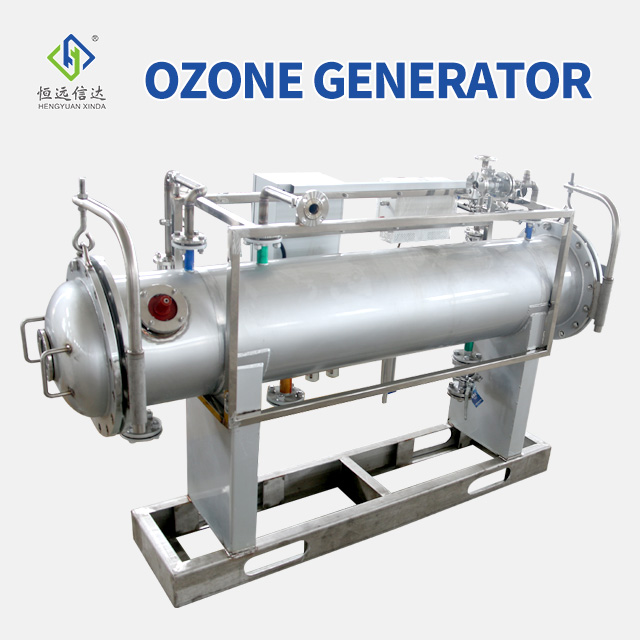
Ozone generators produce ozone through processes such as corona discharge and ultraviolet (UV) radiation. In corona discharge, high voltage is applied across a dielectric barrier, ionizing the oxygen molecules to form ozone. UV ozone generators use UV light at specific wavelengths to split oxygen molecules, which then recombine to form ozone. Both methods aim to increase ozone concentrations in the air for odor neutralization purposes.
Efficacy of Ozone Generators in Odor Removal
The effectiveness of ozone generators in removing odors is a subject of extensive research. Studies have shown that ozone can react with certain odor-causing compounds, such as those found in tobacco smoke, cooking odors, and microbial volatile organic compounds (MVOCs). However, the reaction rate and effectiveness depend on factors like ozone concentration, exposure time, and the specific chemicals involved.
Odor Types and Ozone Interaction
Different odors originate from various chemical compounds. For instance, sulfur-containing compounds cause rotten egg smells, while ammonia is responsible for urine odors. Ozone reacts readily with unsaturated organic compounds containing double or triple bonds. It can effectively reduce odors from compounds like hydrogen sulfide and ammonia. However, ozone is less reactive with saturated compounds, which may limit its effectiveness against certain odors.
Scientific Studies and Findings
A study published in the Journal of the Air & Waste Management Association examined the use of ozone generators in unoccupied spaces for odor removal. The findings indicated that high concentrations of ozone could reduce specific odors but emphasized that the space must remain unoccupied due to health risks. Another study highlighted that while ozone can decrease certain volatile organic compounds, it can also produce harmful byproducts like formaldehyde when reacting with other chemicals.
Health Implications of Ozone Use
While ozone has odor-neutralizing capabilities, it poses health risks at elevated concentrations. Ozone is a respiratory irritant that can cause symptoms such as coughing, chest pain, and throat irritation. Long-term exposure can exacerbate chronic respiratory diseases like asthma and decrease lung function.
Regulatory Standards and Safety Guidelines
Organizations like the Environmental Protection Agency (EPA) and the Occupational Safety and Health Administration (OSHA) have established exposure limits for ozone. The EPA advises against using ozone generators in occupied spaces due to potential health hazards. OSHA sets permissible exposure limits to ensure worker safety in environments where ozone is present.
Applications of Ozone Generators
Despite health concerns, ozone generators have legitimate uses in specific applications. When used correctly in unoccupied spaces, they can effectively reduce odors and sterilize environments.
Commercial Use of Ozone Generators
In commercial settings, such as hotels and restoration services, ozone generators are used to remove stubborn odors after events like fires or flooding. Ozone generator commercial units are designed for high-output ozone production, effectively treating large areas in a relatively short time frame. Proper safety protocols, including sealing off treatment areas and ensuring no one enters until ozone levels have dissipated, are critical.
Residential Use and Accessibility
For homeowners dealing with persistent odors, ozone generator near me options are available through rental services or specialized providers. These residential units are typically lower in ozone output compared to commercial models but still require careful handling to avoid health risks.
Water Treatment Applications
Ozone generators are also employed in water treatment processes. They can effectively disinfect water by inactivating bacteria, viruses, and protozoa. Using an ozone generator for water treatment ensures a chemical-free method of purification, which is beneficial for applications like drinking water, aquariums, and swimming pools.
Ozone Generators in Wellness and Leisure
Recent trends have seen the integration of ozone generators in wellness practices, particularly in treatments like cold plunges and hot tubs. These applications focus on the sanitizing properties of ozone to maintain water quality and enhance user experience.
Cold Plunge Treatments
Using an ozone generator for cold plunge pools helps in reducing the reliance on traditional chemical disinfectants like chlorine. Ozone effectively destroys microorganisms, ensuring the water remains clean and safe for users engaging in cold therapy, which is popular for its potential benefits in muscle recovery and stress reduction.
Hot Tub Sanitation
In hot tubs, an ozone generator for hot tub use provides a powerful sanitizing effect. The warm temperatures of hot tubs can be a breeding ground for bacteria if not properly maintained. Ozone generators reduce the amount of chemical sanitizers needed, leading to a more pleasant experience with less skin and eye irritation for users.
Considerations for Using Ozone Generators
When considering the use of ozone generators for odor removal or sanitation, it is essential to weigh the benefits against the potential risks. Proper usage guidelines must be followed to ensure safety and efficacy.
Operational Best Practices
To maximize the effectiveness of an ozone generator while minimizing risks, users should:
Operate the device in unoccupied spaces.
Seal the treatment area to prevent ozone leakage.
Ventilate the area thoroughly after treatment before re-entry.
Follow manufacturer instructions regarding exposure times and concentrations.
Legal and Environmental Regulations
Users must be aware of local regulations concerning ozone generator use. Certain jurisdictions have restrictions due to the environmental impact of ozone emissions and public health considerations. Compliance with these regulations ensures responsible use and avoids legal repercussions.
Alternatives to Ozone Generators
Given the potential risks associated with ozone generators, alternative odor removal methods may be considered. HEPA filters, activated carbon filters, and photocatalytic oxidation are technologies that can reduce airborne contaminants without producing ozone.
HEPA and Activated Carbon Filtration
High-Efficiency Particulate Air (HEPA) filters capture particles as small as 0.3 microns, including dust, pollen, and some odor-causing particulates. Activated carbon filters adsorb gaseous pollutants and odors through a process of chemical bonding. These filters effectively reduce a range of odors without introducing ozone into the environment.
Photocatalytic Oxidation
This technology uses ultraviolet light to activate a catalyst, usually titanium dioxide, resulting in the breakdown of organic pollutants and odors. Photocatalytic oxidation can neutralize odors without producing harmful byproducts, making it a safer alternative for continuous use in occupied spaces.
Industry Perspectives and Expert Opinions
Industry experts acknowledge the effectiveness of ozone generators in specific contexts but caution against their indiscriminate use. Air quality specialists emphasize that while ozone can reduce certain odors, it is not a one-size-fits-all solution and should be part of a comprehensive approach to air purification.
Professional Remediation Services
Environmental professionals often use ozone generators as part of larger remediation projects. These projects involve assessing the sources of odors, removing contaminated materials, and using ozone treatment as a final step. Professional oversight ensures that ozone is used safely and effectively.
Research and Development Advances
Ongoing research aims to improve ozone generator technology, making it safer and more efficient. Advances include controlled ozone output, integration with air monitoring systems, and hybrid devices combining multiple purification technologies. Companies like Weifang Hengyuan Environmental Protection Water Treatment Equipment Co., Ltd. are at the forefront of developing innovative solutions in this field.
Conclusion
Ozone generators can be effective tools for removing certain types of odors under controlled conditions. Their ability to oxidize and neutralize odor-causing molecules has been demonstrated in various studies and practical applications. However, the potential health risks associated with ozone exposure necessitate caution. Users must adhere to safety guidelines, ensure proper operation, and consider the suitability of ozone treatment for their specific needs.
For those interested in utilizing ozone generators, options such as ozone generator rental services or purchasing from reputable suppliers can provide access to appropriate equipment. It is imperative to balance the benefits of odor removal with the responsibility of maintaining a safe environment. Alternative methods and emerging technologies also offer promising solutions for odor control without the associated risks of ozone.
Introduction
Odor removal is a significant concern in various settings, from residential spaces to commercial establishments. Among the numerous solutions available, ozone generators have gained attention for their purported ability to eliminate unpleasant smells. This article delves into the efficacy of ozone generators in odor removal, examining the underlying mechanisms, applications, and potential health implications. By exploring scientific studies and expert insights, we aim to answer the question: Do ozone generators really work to remove odors?
Ozone generators have been marketed extensively, with options ranging from ozone generator commercial units to portable models for personal use. Understanding their functionality and effectiveness is crucial for consumers and industry professionals alike.
Understanding Ozone and Its Properties
Ozone (O3) is a triatomic molecule consisting of three oxygen atoms. It is a naturally occurring gas found in the Earth's stratosphere, where it plays a vital role in absorbing ultraviolet radiation. At ground level, ozone is a pollutant but also a powerful oxidizing agent capable of reacting with various organic and inorganic substances.
The strong oxidative properties of ozone enable it to break down odor-causing molecules. When ozone comes into contact with these molecules, it alters their chemical structure, effectively neutralizing the odors. This principle forms the basis for using ozone generators in odor remediation.
Mechanism of Odor Removal
Odors are typically caused by volatile organic compounds (VOCs) that emit smells detectable by the human nose. Ozone reacts with these VOCs through oxidation, leading to their decomposition into less volatile and less odorous substances. This reaction can be highly effective against a wide range of odors, including those from smoke, pets, mold, and chemicals.
Research indicates that ozone can be particularly effective in eliminating smoke odors. A study published in the Journal of the Air & Waste Management Association demonstrated that ozone treatment reduced the concentration of tobacco smoke odors significantly. However, the effectiveness can vary depending on the type and concentration of the odorants present.
Applications of Ozone Generators
Ozone generators are utilized in various settings due to their potent deodorizing capabilities. Here, we explore some common applications:
Residential Use
In homes, ozone generators are deployed to tackle persistent odors from cooking, pets, mold, and mildew. For individuals looking for solutions "ozone generator near me," local providers offer residential units designed for safe and effective use.
Commercial and Industrial Settings
In commercial environments, such as hotels, restaurants, and offices, ozone generators help maintain a clean and odor-free atmosphere. Industrial applications include waste treatment facilities and manufacturing plants where odor control is essential. Companies often invest in ozone generator commercial systems to address these needs.
Water Treatment
Ozone is also employed in water treatment processes. An ozone generator for water can disinfect water by killing bacteria, viruses, and other pathogens. This application extends to drinking water purification, swimming pools, and spas.
Specialty Applications
Emerging trends include using ozone generators for specific wellness activities. For instance, an ozone generator for cold plunge or an ozone generator for hot tub can enhance the therapeutic benefits by ensuring the water is clean and free of contaminants.
Evaluating the Effectiveness
While ozone generators have proven capabilities in neutralizing certain odors, their effectiveness is influenced by various factors:
Concentration and Exposure Time
The level of ozone concentration and the duration of exposure are critical. Higher concentrations and longer exposure times can increase odor removal efficiency but may pose health risks. Balancing these factors is essential for safe and effective use.
Type of Odor
Not all odors are equally responsive to ozone treatment. Ozone is more effective against organic odors compared to inorganic ones. For complex chemical odors, additional remediation methods may be necessary.
Environmental Conditions
Temperature, humidity, and ventilation can impact ozone's effectiveness. Proper environmental control enhances the reaction between ozone and odor molecules.
Health and Safety Considerations
Despite the potential benefits, ozone generators raise health concerns. Ozone is a respiratory irritant, and exposure can lead to coughing, chest pain, and throat irritation. Regulatory agencies like the U.S. Environmental Protection Agency (EPA) caution against indoor ozone use due to these risks.
The EPA states that ozone generators are ineffective at improving air quality and can cause health problems. Therefore, it is imperative to use ozone generators in unoccupied spaces and follow manufacturer guidelines strictly.
Alternatives to Ozone Generators
Given the health risks associated with ozone, exploring alternative odor removal methods is advisable:
Activated Carbon Filters
These filters absorb VOCs and odors without emitting harmful substances. They are effective and safe for continuous use in occupied spaces.
HEPA Air Purifiers
High-Efficiency Particulate Air (HEPA) filters capture particles and allergens, improving overall air quality. While they primarily target particles rather than odors, some models combine HEPA and activated carbon filters for comprehensive air purification.
Proper Ventilation
Increasing fresh air circulation can dilute and remove odors naturally. Ventilation is a simple yet effective strategy for maintaining air quality.
Case Studies and Expert Opinions
Several studies have explored the efficacy of ozone generators:
Smoke Odor Remediation
In fire-damaged buildings, ozone treatment has been used to eliminate smoke odors. Professionals often employ ozone generator rental services for this purpose. However, ensuring that spaces are unoccupied during treatment is critical for safety.
Mold and Mildew Control
Ozone can inhibit mold growth by disrupting fungal cell structures. While it may reduce mold odors, ozone should not replace proper mold remediation practices, which involve moisture control and physical removal.
Expert Warnings
Health professionals advise caution. Dr. Richard Shaughnessy, a leading indoor air quality expert, emphasizes that ozone can react with other chemicals to produce harmful byproducts. He recommends alternative methods for improving indoor air quality.
Guidelines for Safe Use
For those who choose to use ozone generators, adhering to safety guidelines is paramount:
Unoccupied Spaces
Operate ozone generators only in unoccupied areas. Ensure that humans and pets are not present during treatment and for a specified period afterward to allow ozone to dissipate.
Professional Assistance
Consider hiring professionals who are experienced in using ozone equipment safely. They can assess the appropriate settings and duration for effective odor removal without compromising safety.
Follow Manufacturer Instructions
Always adhere to the guidelines provided by the ozone generator manufacturer. This includes setup procedures, operation times, and safety precautions.
Advancements in Ozone Technology
Innovations in ozone generator design aim to mitigate health risks while enhancing effectiveness:
Controlled Ozone Output
Modern devices feature adjustable ozone output, allowing users to set levels appropriate for the specific application. This control helps minimize excessive ozone concentrations.
Integrated Air Purification Systems
Some systems combine ozone generation with filtration technologies. By integrating activated carbon and HEPA filters, these units aim to provide comprehensive air cleaning solutions.
Automation and Safety Features
Advanced ozone generators include timers, sensors, and automatic shut-off mechanisms. These features enhance safety by preventing overexposure and allowing for unattended operation in controlled environments.
Consumer Considerations
When evaluating whether to use an ozone generator for odor removal, consumers should consider the following:
Effectiveness versus Safety
Assess the necessity of ozone treatment against potential health risks. For many odors, safer alternatives may provide satisfactory results without the associated hazards.
Professional Guidance
Consulting with indoor air quality experts or environmental health professionals can provide valuable insights. They can recommend appropriate solutions tailored to specific odor problems.
Regulatory Compliance
Be aware of local regulations concerning ozone generator use. Some jurisdictions have restrictions or guidelines to protect public health.
Ozone generators possess the technical capability to remove certain odors through oxidation. However, their use comes with significant health considerations that cannot be overlooked. While they may be effective in unoccupied spaces for specific applications, the potential risks to respiratory health make them a less desirable option for regular indoor odor control.
Alternatives such as activated carbon filters, HEPA air purifiers, and improved ventilation offer safer solutions without compromising indoor air quality. For individuals or businesses considering ozone generators, it is imperative to weigh the benefits against the risks and to explore all available options.
In summary, while ozone generators can work to remove odors under controlled conditions, they are not the panacea that some manufacturers claim. Informed decision-making and adherence to safety guidelines are essential. For those seeking localized services, searching for an ozone generator nearby may provide professional options that prioritize both effectiveness and safety.
 English
 العربية
 Français
 Русский
 Español
 Português
 Deutsch
 italiano
 日本語
日本語 한국어
한국어 Nederlands
 Tiếng Việt
 ไทย
ไทย Türkçe
 አማርኛ
አማርኛ ພາສາລາວ
 Bahasa Melayu
 Filipino
 Bahasa Indonesia
 magyar
 Română
 Монгол
 қазақ
қазақ Српски
 हिन्दी
 فارسی
فارسی Kiswahili
 Slovenščina
 Svenska
 Ελληνικά
 Suomi
Suomi Dansk
Dansk Shqip
Shqip বাংলা
বাংলা Oʻzbekcha
 Azərbaycan dili
 íslenska


