On-site sodium hypochlorite generation systems have become increasingly essential in various industries, particularly in water treatment processes. These systems enable facilities to produce sodium hypochlorite—a powerful disinfectant—on-demand and on-location. This not only ensures a consistent supply of disinfectant but also enhances safety by reducing the need to transport and handle hazardous chemicals. In this comprehensive analysis, we delve into the technology behind on-site sodium hypochlorite generation, its applications, benefits, and the advancements driving its adoption.
The Science Behind Sodium Hypochlorite Generation
Sodium hypochlorite (NaOCl) is produced through the electrolytic process involving a brine solution. The fundamental principle involves passing an electric current through a saltwater solution, resulting in the formation of sodium hypochlorite, hydrogen gas, and chloride ions. This method, known as electrochlorination, is the cornerstone of on-site generation systems.
Electrolytic Sodium Hypochlorite Generators
An electrolytic sodium hypochlorite generator operates by introducing a diluted brine solution into an electrolytic cell. When a direct current is applied, the salt (NaCl) dissociates, and chlorine gas is produced at the anode, while hydrogen gas is produced at the cathode. The chlorine gas then reacts with the remaining sodium hydroxide in the solution to form sodium hypochlorite. This in-situ production method is efficient and minimizes the risks associated with transporting chlorine gas or high-strength hypochlorite solutions.
Applications in Water Treatment
On-site generation systems are pivotal in treating various water sources, including municipal drinking water, wastewater, and industrial process water. The primary application is disinfection, where sodium hypochlorite effectively inactivates pathogenic microorganisms, ensuring water safety and compliance with health regulations.
Chlorine Generators for Water Treatment
Utilizing a chlorine generator for water treatment allows facilities to produce chlorine on-demand, catering to varying disinfection needs. These systems are adaptable to different scales, from small community water systems to large municipal plants. By generating chlorine on-site, operators eliminate dependency on external suppliers and reduce storage risks associated with bulk chemicals.
Benefits of On-site Generation Systems
The adoption of on-site sodium hypochlorite generation systems offers numerous advantages over traditional disinfection methods. These benefits encompass safety improvements, cost savings, environmental considerations, and operational efficiencies.
Safety Enhancements
Transporting and storing large quantities of chlorine gas or concentrated hypochlorite solutions pose significant safety risks. On-site generation mitigates these risks by producing a low-strength solution as needed, reducing the potential for hazardous exposures and accidental releases. Additionally, the reduced handling requirements enhance worker safety and simplify regulatory compliance.
Cost Efficiency
While the initial capital investment for an on-site generator may be substantial, the long-term operational costs are often lower compared to purchasing commercial sodium hypochlorite or chlorine gas. Facilities save on chemical purchase costs, transportation fees, and hazardous material handling expenses. Moreover, on-site systems provide price stability by shielding operations from market fluctuations in chemical prices.
Environmental Impact
On-site generation systems contribute to environmental sustainability by minimizing the carbon footprint associated with the transportation and production of commercial disinfectants. The use of common salt and electricity to produce sodium hypochlorite reduces the reliance on chemical manufacturing processes that may emit pollutants. Additionally, generating only the required amount of disinfectant minimizes waste.
Advancements in Generator Technology
Technological innovations have led to the development of more efficient and compact sodium hypochlorite generators. Modern systems are designed with advanced materials and control systems, enhancing performance and reliability.
Portable Sodium Hypochlorite Generators
The advent of portable sodium hypochlorite generators has expanded the applications to remote locations and emergency response situations. These compact units can be deployed rapidly to provide safe water in disaster-affected areas or serve temporary installations. Their portability does not compromise efficiency, making them valuable assets in various field operations.
High-Strength Sodium Hypochlorite Generators
For industrial applications requiring higher concentrations of disinfectant, high-strength sodium hypochlorite generators have been developed. These systems can produce solutions with higher available chlorine content, suitable for processes that demand potent disinfection or oxidation capabilities. The ability to adjust concentration levels provides operational flexibility and efficiency.
Case Studies and Industry Implementation
Real-world implementations of on-site sodium hypochlorite generation highlight the practicality and benefits of the technology across different sectors.
Municipal Water Treatment Plants
Several municipalities have transitioned to on-site generation to enhance the safety and reliability of their water treatment processes. For instance, a city water treatment facility replaced gas chlorination with on-site generation, significantly reducing risk and improving operational costs. The facility reported a decrease in regulatory compliance burdens and heightened community safety.
Industrial Applications
Industries such as pulp and paper, textile manufacturing, and food processing have adopted sodium hypochlorite generators to meet their stringent disinfection and oxidation needs. The ability to produce disinfectant on-demand ensures uninterrupted operations and adherence to strict quality standards. A textile plant, for example, integrated an on-site generator to provide consistent bleaching agents, resulting in improved product quality and reduced chemical handling risks.
Design and Operational Considerations
Implementing an on-site generation system requires careful planning and consideration of various factors to ensure optimal performance and compliance with regulatory standards.
System Sizing and Capacity
Accurately sizing the generator to meet the peak demand is crucial. Factors such as the volume of water to be treated, required disinfection levels, and potential future expansions must be considered. Oversizing can lead to unnecessary capital expenditures, while undersizing may result in inadequate disinfection and regulatory non-compliance.
Maintenance and Operational Training
Regular maintenance of the generator units ensures longevity and consistent performance. Operators should receive comprehensive training on system operation, including troubleshooting, routine inspections, and safety protocols. Establishing maintenance schedules and keeping detailed records support efficient operation and adherence to safety standards.
Regulatory and Compliance Aspects
Compliance with local and national regulations is paramount when operating disinfection systems. On-site generation systems must meet guidelines set by environmental agencies and health departments to ensure safe and effective water treatment.
Disinfection Byproducts Management
While sodium hypochlorite is effective in disinfection, it can react with organic matter in water to form disinfection byproducts (DBPs) such as trihalomethanes (THMs). Monitoring and managing DBP levels are essential to meet regulatory limits and protect public health. Adjusting treatment processes and optimizing dosage can mitigate DBP formation.
Safety Regulations
Operators must comply with occupational safety regulations concerning chemical handling and exposure. Although on-site generation reduces risks associated with concentrated chemicals, the production process involves gases like hydrogen, which necessitates proper ventilation and explosion prevention measures.
Future Trends and Innovations
The field of on-site sodium hypochlorite generation is evolving, with research focusing on enhancing efficiency, reducing energy consumption, and integrating smart technologies.
Energy Efficiency Improvements
Developments in electrode materials and cell designs aim to reduce the energy requirements of electrolytic processes. Implementing renewable energy sources, such as solar or wind power, for operating generators can further decrease the environmental impact and operational costs.
Automation and Remote Monitoring
Integrating automation systems allows for precise control of generation processes, optimizing performance, and reducing manual intervention. Remote monitoring capabilities enable real-time tracking of system parameters, predictive maintenance, and swift response to any operational anomalies.
On-site sodium hypochlorite generation systems represent a significant advancement in disinfection technology, offering safety, economic, and environmental benefits. Their ability to provide a reliable and efficient supply of disinfectant makes them invaluable in water treatment and various industrial applications. As technology progresses, these systems will become more accessible and versatile, further enhancing their role in ensuring public health and safety.
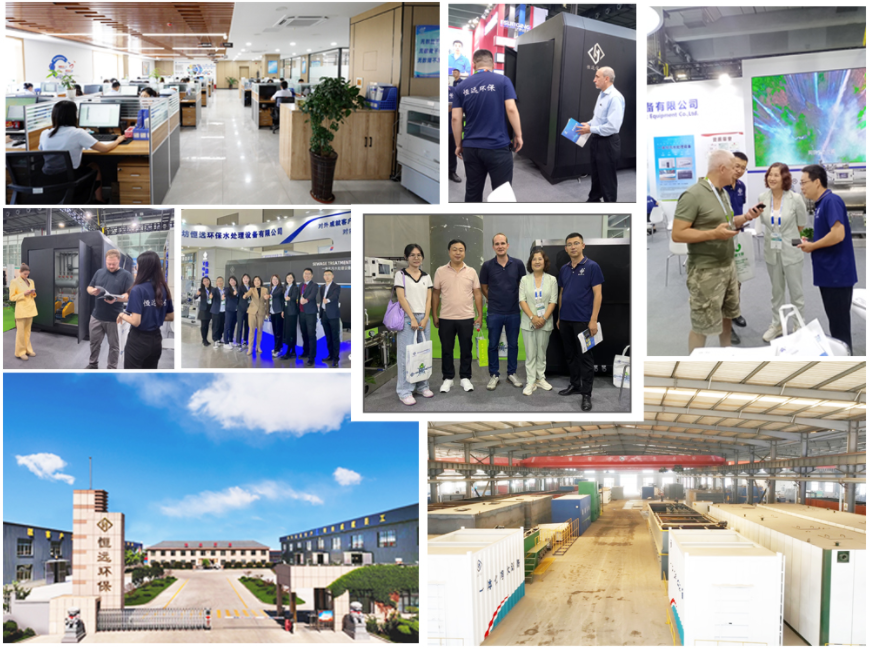
For industries and municipalities seeking to improve their water treatment processes, exploring the implementation of on-site generation systems is a prudent step. By partnering with experienced providers like HengYuan, organizations can design and implement customized solutions that meet their specific needs while adhering to the highest standards of safety and efficiency.
 English
 العربية
 Français
 Русский
 Español
 Português
 Deutsch
 italiano
 日本語
日本語 한국어
한국어 Nederlands
 Tiếng Việt
 ไทย
ไทย Türkçe
 አማርኛ
አማርኛ ພາສາລາວ
 Bahasa Melayu
 Filipino
 Bahasa Indonesia
 magyar
 Română
 Монгол
 қазақ
қазақ Српски
 हिन्दी
 فارسی
فارسی Kiswahili
 Slovenščina
 Svenska
 Ελληνικά
 Suomi
Suomi Dansk
Dansk Shqip
Shqip বাংলা
বাংলা Oʻzbekcha
 Azərbaycan dili
 íslenska


