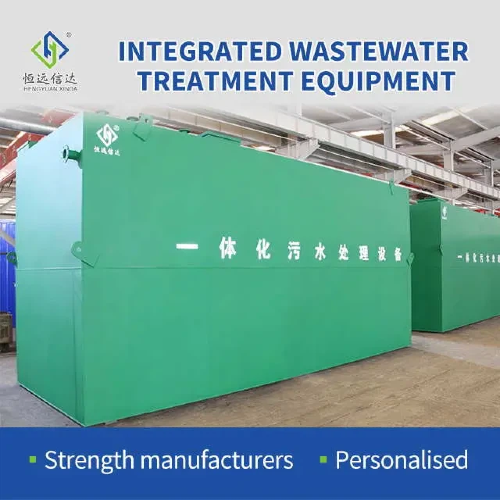
Did you know unsafe water causes millions of illnesses yearly? Clean water is vital for health and the environment. Water treatment equipment plays a key role in removing contaminants. In this post, you’ll learn how different machines transform raw water into safe, usable water.
Table of Contents
Toggle
Key Equipment Used in Water Treatment Processes
Water treatment systems rely on a variety of specialized equipment to transform raw water into safe, usable water. Each piece plays a critical role in targeting specific contaminants and ensuring overall water quality. Let’s explore the key equipment categories commonly found in water treatment plants and systems.
Water Intake and Pretreatment Equipment
This equipment acts as the first line of defense, preparing raw water for further treatment.
Water Intake Pumps: These pumps draw water from sources like rivers or reservoirs. Types include centrifugal, axial flow, and submersible pumps, selected based on flow rate and head requirements.
Screens and Bar Screens: Installed before pumps, these remove large debris such as leaves, branches, and plastics to protect downstream equipment.
Grit Chambers and Sedimentation Tanks: These allow sand, grit, and heavier particles to settle out by gravity, preventing abrasion to pumps and pipelines.
Equalization Tanks: Used to balance flow and load variations, improving process stability and efficiency.
Coagulation and Flocculation Equipment
These devices facilitate the chemical treatment phase that aggregates fine particles for easier removal.
Dosing Devices: Precisely add water treatment chemicals like coagulants (e.g., polyaluminium chloride) and flocculants.
Mixers: Ensure chemicals disperse evenly. Static mixers use water turbulence, while mechanical mixers provide active stirring.
Flocculation Tanks: Provide gentle mixing to encourage formation of larger flocs, improving sedimentation efficiency.
Sedimentation and Clarification Devices
After coagulation, these units separate flocs from water.
Sedimentation Tanks: Large tanks where flocs settle by gravity. Equipped with sludge scrapers to remove settled solids.
Clarifiers: Similar to sedimentation tanks but may include additional features like surface skimmers for floating material.
Filtration Systems: Sand, Rapid, and Membrane Filters
Filtration removes smaller suspended particles and some microorganisms.
Rapid Sand Filters: Use sand and gravel layers for fast, large-volume filtration.
Slow Sand Filters: Thicker sand layers allow for biological activity that reduces pathogens, suitable for smaller flows.
Membrane Filters: Include microfiltration (MF), ultrafiltration (UF), nanofiltration (NF), and reverse osmosis (RO). These provide advanced contaminant removal, including dissolved solids and microorganisms.
Activated Carbon Filters: Remove tastes, odors, and organic chemicals.
Disinfection Technologies: Chlorine, Ozone, and UV Systems
Disinfection kills pathogens to ensure microbiological safety.
Chlorine Disinfection Devices: Introduce chlorine gas or liquid to inactivate microorganisms. Cost-effective but require careful dosing to avoid residuals.
Ozone Generators: Produce ozone gas, a powerful oxidant that disinfects without harmful residues. Equipment cost is higher.
Ultraviolet (UV) Systems: Use UV light to destroy microbial DNA. Chemical-free and fast but require clear water for effectiveness.
Storage and Distribution Equipment
Once treated, water is stored and delivered safely.
Water Treatment Tanks: Store clean water; must be regularly cleaned to prevent contamination.
Distribution Pumps: Maintain pressure and flow through pipelines to end users.
Control and Monitoring Instruments
Automation and monitoring ensure treatment efficiency and safety.
Automatic Control Systems: Use sensors and controllers to adjust chemical dosing, flow rates, and other parameters in real time.
Online Monitoring Instruments: Measure turbidity, pH, residual chlorine, and other key water quality indicators.
Pressure Sensors and Flowmeters: Protect equipment by monitoring system pressures and flow volumes.
Tip: Integrating control and monitoring instruments with treatment equipment enhances system reliability and helps maintain consistent water quality while reducing operational costs.
Water Intake and Pretreatment Equipment Explained
Water intake and pretreatment equipment form the crucial first step in any water treatment system. Their main role is to prepare raw water by removing large debris and settling out heavy particles. This preparation protects downstream equipment and improves overall treatment efficiency.
Water Intake Pumps: Types and Functions
Water intake pumps draw water from sources such as rivers, lakes, or reservoirs. The right pump type depends on flow rate, head, and source conditions. Common types include:
Centrifugal pumps: Versatile and widely used for medium to high flow rates.
Axial flow pumps: Suitable for large flow but low head applications.
Submersible pumps: Installed underwater, ideal for deep or submerged intakes.
These pumps ensure a steady, reliable supply of raw water to the treatment system.
Screens and Bar Screens for Large Debris Removal
Screens are installed upstream of pumps to catch large solids—like branches, leaves, and plastics—that could damage equipment. Bar screens consist of parallel bars spaced to trap debris while allowing water flow. They are easy to clean and maintain. Adjustable gap sizes help tailor screening to water quality.
Grit Chambers and Sedimentation Tanks
Grit chambers slow the water flow, allowing sand, gravel, and other heavy particles to settle out. Removing grit early prevents abrasion and blockages in pumps and pipes. Sedimentation tanks provide additional settling time for suspended solids. These tanks often include sludge scrapers to remove accumulated solids efficiently.
Role of Equalization Tanks in Flow Management
Equalization tanks balance variations in flow and pollutant load. By storing water temporarily, they provide stable conditions for subsequent treatment stages. This helps maintain consistent chemical dosing and improves overall system performance.
Benefits of Effective Pretreatment Equipment
Protects pumps and downstream machines from damage.
Reduces clogging and maintenance needs.
Enhances efficiency of coagulation, filtration, and disinfection.
Extends lifespan of the entire water treatment system.
Well-designed pretreatment equipment is essential for reliable water treatment systems, whether for municipal supply or industrial processes.
Tip: Regular inspection and cleaning of screens and sedimentation tanks prevent blockages and maintain optimal water flow in pretreatment stages.
Coagulation, Flocculation, and Sedimentation Equipment
In water treatment systems, coagulation, flocculation, and sedimentation are crucial chemical and physical steps that help remove fine suspended particles and impurities. These processes rely on specialized water treatment equipment designed to enhance contaminant removal and improve water clarity.
Dosing Devices for Chemical Addition
Dosing devices precisely add water treatment chemicals such as coagulants and flocculants into the water. Common chemicals include polyaluminium chloride (PAC) and aluminum sulfate. These chemicals neutralize charges on small particles, allowing them to clump together into larger aggregates called flocs. Accurate dosing is vital to optimize chemical use and avoid overdosing, which can cause excessive sludge or residual chemicals in treated water. Modern dosing machines often feature automated controls and flow-proportional dosing to maintain consistent treatment.
Mixers: Static vs Mechanical for Chemical Dispersion
Mixers ensure that the coagulants and flocculants disperse uniformly throughout the water. There are two main types:
Static Mixers: These use the turbulence created by water flowing through specially designed baffles or elements inside a pipe. They have no moving parts, require less maintenance, and are energy efficient.
Mechanical Mixers: These use rotating blades or paddles powered by motors to actively stir the water. Mechanical mixers provide stronger and more controlled mixing, which is beneficial when treating water with high turbidity or complex chemistry.
Choosing the right mixer depends on the water quality, chemical type, and treatment plant design.
Flocculation Tanks and Stirring Mechanisms
After initial mixing, water enters flocculation tanks where gentle stirring encourages the formation of larger, denser flocs. These tanks are equipped with slow-speed paddles or impellers that maintain a steady, low shear environment. This controlled mixing allows flocs to grow without breaking apart, facilitating easier sedimentation downstream. Flocculation tanks vary in size and configuration but are essential for improving the efficiency of sedimentation and filtration stages.
Sedimentation Tanks and Sludge Removal Systems
Sedimentation tanks provide the space and time for flocs to settle by gravity. These tanks are usually large, rectangular or circular basins designed to minimize turbulence. Settled solids accumulate at the bottom as sludge, which must be removed regularly to maintain tank capacity and prevent resuspension. Sludge removal systems include mechanical scrapers or suction devices that continuously or periodically collect and transport sludge to further treatment or disposal. Effective sedimentation tanks significantly reduce suspended solids, easing the load on filtration systems.
Tip: Regular calibration and maintenance of dosing devices and mixers ensure optimal chemical use and consistent floc formation, enhancing overall water treatment efficiency.
Filtration Equipment in Water Treatment
Filtration is a vital step in water treatment systems, designed to remove smaller suspended particles and some microorganisms that earlier stages might miss. Various water treatment filter systems are used depending on water quality, flow rate, and treatment goals. Let’s explore the main types of filtration equipment and their roles in water treatment.
Rapid Filters for Large Scale Particle Removal
Rapid sand filters are the workhorses in many municipal and industrial water treatment systems. These water treatment filters use layers of sand and gravel to trap suspended solids efficiently. The filtration rate is high, making them suitable for large volumes of water. Rapid filters are often part of water treatment systems where quick processing is essential. They remove most of the turbidity and particulate matter, preparing water for disinfection.
Slow Sand Filters for Enhanced Microbial Reduction
Slow sand filters operate at a much slower filtration rate than rapid filters. The thicker sand bed encourages the growth of a biological layer called the schmutzdecke, which helps reduce pathogens biologically. This type of water treatment filter system is ideal for small communities or rural water treatment solutions where microbial reduction is a priority. While slower, slow sand filters provide excellent removal of bacteria and some viruses without chemicals.
Membrane Filtration Technologies: MF, UF, NF, RO
Membrane filtration technologies represent advanced water treatment solutions. These water treatment machines use semi-permeable membranes to separate contaminants based on size and charge:
Microfiltration (MF): Removes suspended solids and bacteria.
Ultrafiltration (UF): Removes viruses, colloids, and larger dissolved molecules.
Nanofiltration (NF): Filters out multivalent ions and organic molecules, softening water.
Reverse Osmosis (RO): Provides the highest level of purification by removing salts, heavy metals, and nearly all pathogens.
Membrane filtration systems are widely used in tertiary treatment stages, wastewater treatment technologies, and industrial water treatment applications.
Activated Carbon Filters for Taste and Odor Control
Activated carbon filters are essential for removing tastes, odors, and organic chemicals from water. These filters adsorb chlorine, pesticides, and volatile organic compounds, improving water palatability. Activated carbon is often used after filtration and before disinfection in water treatment systems. They are also common in wastewater treatment solutions to reduce residual contaminants.
Advantages and Limitations of Each Filtration Type
Filtration Type
Advantages
Limitations
Rapid Sand Filters
Fast filtration, handles large volumes
Requires regular backwashing
Slow Sand Filters
Biological pathogen removal, low energy
Slow filtration rate, large footprint
Membrane Filtration
High contaminant removal, compact design
Higher energy use, fouling risk
Activated Carbon
Removes organic compounds, improves taste
Saturates over time, needs replacement
Choosing the right water treatment filter depends on your water source, quality goals, and system capacity. Many water treatment technologies and solutions combine multiple filtration types for optimal performance.
Tip: Regular maintenance and monitoring of filtration equipment prevent clogging and ensure consistent water quality in your water treatment systems.
Disinfection Equipment and Technologies
Disinfection is a critical step in water treatment systems to ensure microbiological safety. It eliminates harmful pathogens, including bacteria, viruses, and protozoa, that can cause waterborne diseases. Different water treatment technologies and solutions use various disinfection equipment, each with unique features, benefits, and limitations.
Chlorine Disinfection Devices: Safety and Efficiency
Chlorine remains one of the most widely used disinfectants in water treatment systems due to its effectiveness and relatively low cost. Chlorine disinfection devices introduce chlorine gas, sodium hypochlorite, or calcium hypochlorite into the water. These chemicals kill microorganisms by disrupting their cellular functions.
Advantages:
Long-lasting residual effect that continues disinfecting in distribution systems.
Proven effectiveness against a broad range of pathogens.
Cost-efficient for large-scale water treatment plants.
Safety Considerations:
Chlorine gas is hazardous and requires careful handling and storage.
Overdosing can lead to harmful chlorine residuals and disinfection by-products such as trihalomethanes (THMs).
Advanced dosing systems and sensors help maintain optimal chlorine levels, ensuring safety and efficiency.
Ozone Generators for Chemical-Free Disinfection
Ozone is a powerful oxidant used in water treatment to disinfect without leaving chemical residues. Ozone generators produce ozone by ionizing oxygen molecules in the air, which then rapidly react with and destroy microorganisms.
Advantages:
Effective against bacteria, viruses, and resistant protozoa like Cryptosporidium.
No harmful disinfection by-products are formed.
Improves taste and odor by oxidizing organic compounds.
Limitations:
Higher capital and operational costs compared to chlorine systems.
Ozone decomposes quickly and does not provide a residual disinfectant effect.
Requires skilled operation and maintenance.
Ultraviolet (UV) Disinfection Systems and Applications
UV disinfection systems use ultraviolet light at specific wavelengths (typically 254 nm) to inactivate microorganisms by damaging their DNA and RNA. The water passes through UV reactors where it is exposed to UV lamps.
Advantages:
Chemical-free disinfection with no residuals or by-products.
Fast and effective against a wide range of pathogens.
Compact and easy to integrate into existing water treatment systems.
Considerations:
Water must be clear with low turbidity for effective UV penetration.
Regular lamp replacement and cleaning are necessary to maintain performance.
UV does not provide residual disinfection; often combined with other methods.
Comparing Disinfection Methods: Benefits and Drawbacks
Disinfection Method
Benefits
Drawbacks
Chlorine
Residual effect, cost-effective, broad spectrum
Safety risks, disinfection by-products, odor
Ozone
No chemical residues, strong oxidant
High cost, no residual effect, complex operation
UV
Chemical-free, fast, effective
Sensitive to water quality, no residual effect
Choosing the right disinfection equipment depends on water quality, treatment goals, regulatory requirements, and budget. Many water treatment systems combine these technologies to achieve multi-barrier protection, ensuring safe and reliable water supply.
Tip: Regularly calibrate and maintain disinfection equipment and monitor residual disinfectant levels to optimize safety and effectiveness in your water treatment systems.
Advanced and Specialized Water Treatment Equipment
Water treatment technologies and solutions have evolved to address increasingly complex water quality challenges. Advanced and specialized equipment plays a crucial role in tertiary treatment and industrial applications. These systems target persistent contaminants, improve operational efficiency, and ensure compliance with stringent water quality standards.
Membrane Modules for Tertiary Treatment
Membrane filtration is often the centerpiece of tertiary water treatment systems. Membrane modules come in various types—microfiltration (MF), ultrafiltration (UF), nanofiltration (NF), and reverse osmosis (RO)—each designed to remove specific contaminants. These modules use semi-permeable membranes to separate dissolved solids, microorganisms, and organic compounds from water.
MF and UF are effective for removing suspended solids, bacteria, and viruses.
NF targets multivalent ions and organic molecules, softening water and reducing pesticides.
RO provides the highest purity by removing salts, heavy metals, and nearly all pathogens.
Membrane modules are compact and flexible, suitable for both municipal wastewater treatment solutions and industrial water treatment systems. Innovations like chlorine-resistant membranes and advanced feed spacers improve durability and reduce fouling.
Advanced Oxidation Processes (AOPs) for Persistent Contaminants
AOPs are chemical treatment technologies that generate highly reactive species such as hydroxyl radicals. These radicals break down stubborn organic pollutants, including pharmaceuticals, pesticides, and industrial solvents, which conventional treatment methods cannot eliminate effectively. Common AOP methods include:
UV/Hydrogen Peroxide: Combines ultraviolet light with hydrogen peroxide to create radicals.
Ozone-Based AOPs: Mix ozone with UV light or hydrogen peroxide for enhanced oxidation.
Fenton’s Reagent: Uses iron salts with hydrogen peroxide under acidic conditions.
AOPs are increasingly integrated into water treatment systems to meet regulatory demands and protect ecosystems from emerging contaminants.
Smart Monitoring Systems and Automation
Advanced water treatment systems incorporate smart monitoring and automation to optimize performance and reduce operational costs. Real-time sensors track parameters like turbidity, pH, residual disinfectant, and flow rates. Automated control systems adjust chemical dosing, membrane cleaning cycles, and disinfection processes based on sensor data.
Data analytics improve resource use efficiency and regulatory compliance.
Such intelligent systems are vital in large-scale water treatment plants and complex industrial applications, ensuring consistent water quality and operational safety.
Industrial Equipment for Boiler Feed and Cooling Water Treatment
Specialized water treatment machines and tanks serve industrial needs, particularly for boiler feed water and cooling tower systems. These applications require precise control of water chemistry to prevent scaling, corrosion, and microbial fouling. Common equipment includes:
Chemical feeders for corrosion inhibitors and scale preventatives.
Water treatment tanks for chemical mixing and storage.
Filtration units to remove suspended solids that can damage equipment.
Monitoring instruments to maintain optimal water parameters.
Effective industrial water treatment systems extend equipment life, improve energy efficiency, and support regulatory compliance.
Innovations in Nanotechnology and Electrochemical Treatment
Nanotechnology enhances water treatment equipment by introducing nanoscale materials with superior contaminant removal capabilities. Examples include:
Nano-enabled membranes with improved permeability and fouling resistance.
Nanocatalysts that boost advanced oxidation processes for breaking down pollutants.
Electrochemical water treatment uses electric currents to oxidize contaminants, reducing chemical consumption and sludge production. These innovations provide sustainable, energy-efficient solutions for both municipal and industrial water treatment challenges.
Tip: Integrating advanced oxidation processes with membrane modules and smart automation can significantly enhance treatment efficiency and help meet stringent water quality standards in modern water treatment systems.
Control, Monitoring, and Maintenance Equipment
In water treatment systems, control, monitoring, and maintenance equipment ensure smooth operation and consistent water quality. These tools help operators optimize processes, detect issues early, and extend equipment life. Let’s explore the main types of equipment used for control, monitoring, and maintenance in water treatment systems.
Automatic Control Systems for Process Optimization
Automatic control systems use sensors, controllers, and actuators to regulate water treatment processes in real time. They adjust chemical dosing, flow rates, and pressure based on water quality data. These systems improve treatment efficiency and reduce human error. For example, automatic dosing pumps can precisely add water treatment chemicals like coagulants or disinfectants only when needed, saving costs and minimizing waste. Programmable logic controllers (PLCs) and distributed control systems (DCS) are common platforms that integrate multiple process controls, enabling operators to monitor and manage the entire water treatment plant remotely.
Online Sensors for Real-Time Water Quality Monitoring
Online sensors continuously measure water quality parameters such as turbidity, pH, temperature, dissolved oxygen, and residual chlorine. These sensors provide instant feedback on treatment performance, helping detect contamination or equipment malfunction quickly. For instance, turbidity sensors indicate filter effectiveness, while residual chlorine analyzers ensure disinfection levels meet safety standards. Data from online sensors feed into control systems, supporting automated adjustments and alerting staff to take corrective actions promptly.
Pressure Sensors and Flowmeters for System Safety
Pressure sensors monitor the pressure within pipes, tanks, and filtration units to prevent overpressure or leaks that could damage equipment. Flowmeters measure water flow rates to verify system performance and detect blockages or pump failures. Together, these instruments protect sensitive equipment such as membranes and pumps by ensuring operation within safe limits. For example, a sudden drop in flow rate might signal a clogged filter, prompting maintenance before water quality deteriorates.
Corrosion Monitoring Tools and Chemical Feeders
Corrosion monitoring tools, like corrosion coupon racks or probes, assess the condition of metal components in the system. They help evaluate the effectiveness of corrosion inhibitors added via chemical feeders. Chemical feeders introduce precise amounts of treatment chemicals such as scale inhibitors, biocides, or pH adjusters to protect equipment and maintain water quality. Regular monitoring allows operators to optimize chemical use, avoiding overfeeding that increases costs and environmental impact.
Importance of Regular Maintenance for Equipment Longevity
Routine maintenance is vital to keep water treatment equipment functioning reliably. This includes cleaning filters, calibrating sensors, inspecting pumps, and replacing worn parts. Scheduled maintenance prevents unexpected breakdowns, extends equipment lifespan, and ensures compliance with water quality standards. Many modern systems include predictive maintenance features, using sensor data and analytics to forecast when service is needed, reducing downtime and repair costs.
Tip: Implementing integrated control and monitoring equipment with scheduled maintenance maximizes water treatment system reliability and ensures consistent, safe water quality.
Conclusion
Choosing the right water treatment equipment depends on water quality and treatment goals. It is important to balance cost, efficiency, and regulatory compliance. Future trends focus on advanced technologies and automation for better performance. Sustainable and safe water supply requires reliable, well-maintained equipment. www.hyhbwater.com Weifang Hengyuan Environmental Water Treatment Equipment Co., Ltd. offers high-quality solutions that enhance treatment efficiency and system durability, ensuring consistent water quality and operational safety. Their products provide excellent value for diverse water treatment needs.
FAQ
Q: What types of equipment are commonly used in water treatment systems?
A: Water treatment systems typically use equipment such as water intake pumps, screens, dosing devices for water treatment chemicals, mixers, sedimentation tanks, various water treatment filters (rapid sand, slow sand, membrane), disinfection machines like chlorine or UV systems, water treatment tanks, and control instruments to ensure effective purification.
Q: How do water treatment filters differ in their technologies and applications?
A: Water treatment filter systems include rapid sand filters for large particle removal, slow sand filters for biological pathogen reduction, membrane filters (MF, UF, NF, RO) for advanced contaminant removal, and activated carbon filters for taste and odor control. Each serves distinct roles depending on water quality needs and system design.
Q: Why is disinfection equipment essential in water treatment?
A: Disinfection equipment like chlorine dosing devices, ozone generators, and UV systems eliminate harmful microorganisms, ensuring microbiological safety. These water treatment technologies prevent waterborne diseases, with each method offering different benefits and operational considerations.
Q: What role do control and monitoring instruments play in water treatment systems?
A: Control and monitoring equipment, such as automatic control systems, online sensors, pressure sensors, and flowmeters, optimize chemical dosing, maintain system safety, and ensure consistent water quality. They reduce operational costs and enhance reliability in water treatment processes.
Q: How do advanced water treatment technologies improve treatment efficiency?
A: Advanced water treatment solutions include membrane modules for tertiary treatment, advanced oxidation processes, smart automation, and nanotechnology-enhanced equipment. These technologies target persistent contaminants, improve operational efficiency, and meet stringent water quality standards.
Q: What maintenance practices are important for water treatment equipment longevity?
A: Regular maintenance like cleaning filters, calibrating dosing devices, inspecting pumps, and replacing worn parts is vital. Scheduled upkeep prevents breakdowns, maintains efficiency, and ensures compliance with water treatment standards, supported by predictive maintenance tools in modern systems.
It is a production-oriented high-tech enterprise integrating R&D, production and sales of water treatment equipment, disinfection equipment and ecological toilets. It has won the honorary titles of National.
 English
 العربية
 Français
 Русский
 Español
 Português
 Deutsch
 italiano
 日本語
日本語 한국어
한국어 Nederlands
 Tiếng Việt
 ไทย
ไทย Türkçe
 አማርኛ
አማርኛ ພາສາລາວ
 Bahasa Melayu
 Filipino
 Bahasa Indonesia
 magyar
 Română
 Монгол
 қазақ
қазақ Српски
 हिन्दी
 فارسی
فارسی Kiswahili
 Slovenščina
 Svenska
 Ελληνικά
 Suomi
Suomi Dansk
Dansk Shqip
Shqip বাংলা
বাংলা Oʻzbekcha
 Azərbaycan dili
 íslenska