1. Why Sewage Treatment Methods and Equipment Are Essential
Sewage treatment plays a critical role in managing wastewater, ensuring public health, and safeguarding the environment. The effective treatment of sewage helps prevent pollution, protect natural water sources, and improve the quality of water being discharged back into the environment. The right sewage treatment equipment is crucial in achieving these goals, as it ensures that wastewater is properly treated and meets regulatory standards.
In this article, we will explore the top sewage treatment methods and the sewage treatment equipment used in each process. From primary treatment methods to advanced technologies, understanding these processes and equipment will guide you in choosing the right solutions for your wastewater treatment needs.
2. Understanding the Different Sewage Treatment Methods
Sewage treatment methods can be broadly categorized into primary, secondary, and tertiary stages, each designed to remove specific pollutants from wastewater. The method selected depends on the nature of the wastewater and the required level of treatment. Below, we will discuss each stage in detail and the equipment typically used for each process.
Primary Treatment: Basic Screening and Sedimentation
Primary treatment involves the removal of large solids and debris from sewage through physical processes such as screening and sedimentation. This stage is essential for reducing the load on subsequent treatment stages.
Key Processes: Screening and sedimentation.
Sewage Treatment Equipment Used: Bar screens, drum filters, sedimentation tanks, and clarifiers.
In this stage, sewage is passed through bar screens or drum filters to remove large debris, and then it is allowed to settle in sedimentation tanks, where heavier solids sink to the bottom.
Secondary Treatment: Biological Treatment of Organic Matter
Secondary treatment aims to remove dissolved and suspended organic matter from wastewater using biological processes. This stage is designed to break down organic pollutants into simpler, non-toxic substances, typically by the action of microorganisms.
Key Processes: Biological oxidation, aerobic treatment.
Sewage Treatment Equipment Used: Activated sludge tanks, trickling filters, aeration tanks.
Activated sludge systems are commonly used in this stage, where microorganisms in aeration tanks digest organic matter. Trickling filters are also used, providing a surface for microbial growth to treat wastewater biologically.
Tertiary Treatment: Advanced Filtration and Disinfection
Tertiary treatment is the final stage of sewage treatment and focuses on further purifying the water by removing fine particles, nutrients (like nitrogen and phosphorus), and pathogens. This stage is essential for producing high-quality effluent, particularly for reuse or discharge into sensitive environments.
Key Processes: Chemical treatment, filtration, disinfection.
Sewage Treatment Equipment Used: Sand filters, reverse osmosis, UV disinfection systems, ozone generators.
This stage can include advanced filtration systems like reverse osmosis to remove dissolved impurities and disinfection methods like ultraviolet (UV) light or ozone to eliminate harmful pathogens.
Table: Comparison of Sewage Treatment Methods
Treatment Type | Processes Involved | Sewage Treatment Equipment Used | Typical Applications |
Primary Treatment | Screening, Sedimentation | Bar screens, sedimentation tanks, clarifiers | Large solids removal |
Secondary Treatment | Biological oxidation of organic material | Aeration tanks, bioreactors, activated sludge | Municipal and industrial wastewater |
Tertiary Treatment | Chemical treatment, filtration, disinfection | UV disinfection, ozone generators, sand filters | High-quality effluent, potable water |
3. Key Sewage Treatment Equipment Explained
Each sewage treatment method relies on specific types of equipment designed for optimal performance at each stage of treatment. Below, we dive into the various sewage treatment equipment used to achieve efficient wastewater treatment across the primary, secondary, and tertiary stages.
Screening Equipment
Screening equipment is used in the primary treatment stage to remove large debris from wastewater before further processing. There are different types of screening equipment, including:
Bar Screens: Coarse screens that remove large solids and debris from sewage.
Drum Filters: Cylindrical filters that trap solids and allow water to pass through.
Mesh Filters: Fine mesh filters used to remove smaller debris from the water.
Sedimentation and Clarification Systems
Sedimentation is a key process in primary treatment where heavier solids settle to the bottom of a tank. Clarifiers are used to remove the settled sludge and treat the water. These systems help in the effective removal of suspended solids.
Sedimentation Tanks: Large tanks where the water is allowed to settle, and solids are removed.
Clarifiers: Circular tanks designed to separate solids from water, typically used in both primary and secondary treatment.
Biological Treatment Systems
Biological treatment uses microorganisms to break down organic pollutants in wastewater. The most common biological treatment systems are:
Activated Sludge Systems
Activated sludge systems are used in secondary treatment to remove organic pollutants by aerating sewage in large tanks. The process relies on the presence of bacteria and other microorganisms that consume organic waste.
Equipment Used: Aeration tanks, blowers, bioreactors.
Moving Bed Biofilm Reactors (MBBR)
MBBRs are compact and efficient systems that use biofilm technology to treat wastewater. The biofilm forms on small plastic carriers that move through the wastewater, providing surface area for microbial growth.
Equipment Used: MBBR tanks, plastic carriers.
Membrane Bioreactors (MBR)
MBR systems combine biological treatment and membrane filtration, providing a high-quality effluent. They are ideal for applications requiring high standards of effluent quality.
Equipment Used: Membrane filtration units, bioreactors.
Advanced Filtration and Disinfection Equipment
Tertiary treatment involves advanced equipment to polish the treated wastewater, making it suitable for discharge or reuse.
Reverse Osmosis
Reverse osmosis (RO) is used to purify water by forcing it through a semi-permeable membrane that removes dissolved solids, salts, and contaminants.
Equipment Used: RO units, pumps.
UV and Ozone Disinfection
UV disinfection uses ultraviolet light to kill harmful pathogens in the treated water, while ozone treatment involves using ozone gas to disinfect water by destroying bacteria and viruses.
Equipment Used: UV lamps, ozone generators.
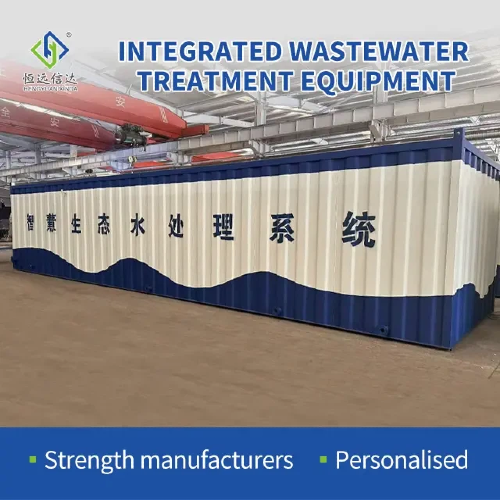
4. Factors to Consider When Choosing Sewage Treatment Equipment
Choosing the right sewage treatment equipment is crucial for ensuring that wastewater is treated efficiently and complies with regulatory standards. Several factors must be considered when making this decision:
Wastewater Volume
The volume of wastewater to be treated plays a significant role in determining the size and capacity of the equipment needed. It is essential to assess both the daily and peak flow rates of wastewater to select the appropriate system.
Pollutant Types
The type and concentration of pollutants in the wastewater dictate the treatment methods and equipment required. Organic pollutants, chemicals, heavy metals, and pathogens all require specific treatment approaches, and this influences the choice of equipment.
Regulatory Compliance
Each region has its regulatory standards for wastewater discharge, including permissible levels of pollutants like BOD, TSS, and pathogens. It is essential to choose equipment that ensures compliance with these regulations, especially in areas where wastewater is reused or discharged into sensitive environments.
Operational Costs
While upfront costs are an important consideration, ongoing operational costs are equally important. These include energy consumption, chemical use, and maintenance costs. Selecting energy-efficient equipment can help reduce these long-term costs.
Space and Scalability
Space constraints may require the use of modular or compact treatment systems. Additionally, choosing equipment that allows for future scalability ensures that the system can grow with increased wastewater volume or stricter regulatory standards.
5. Benefits of Modern Sewage Treatment Equipment
The advancement in sewage treatment technologies has led to the development of more efficient, cost-effective, and environmentally friendly equipment. Below are some key benefits of modern sewage treatment equipment:
Energy Efficiency
Modern sewage treatment equipment is designed to be energy-efficient, reducing the overall power consumption needed for wastewater treatment. This not only lowers operational costs but also contributes to sustainability goals by reducing the carbon footprint.
Automation and Monitoring
Many modern systems feature automated controls and real-time monitoring capabilities. Automation enhances operational efficiency by reducing the need for manual intervention, ensuring consistent treatment performance, and providing valuable data for optimizing processes.
Sustainability
Sewage treatment equipment is increasingly designed with sustainability in mind. Features such as low energy consumption, reduced chemical usage, and minimal water loss contribute to environmentally responsible treatment practices.
Compact and Modular Solutions
Modern modular systems are compact, flexible, and easy to install. They are particularly suitable for facilities with space limitations and are easy to scale as wastewater treatment needs increase.
6. Common Challenges in Sewage Treatment and How Equipment Can Help
While sewage treatment plays a vital role in wastewater management, several challenges must be overcome to ensure its effectiveness. Modern treatment equipment helps address these challenges:
High Maintenance Costs
Older or outdated systems may require frequent maintenance, leading to higher operational costs and downtime. Modern, reliable equipment is designed to be low-maintenance, reducing the need for costly repairs and increasing operational efficiency.
Space Limitations
Space constraints can make it difficult to install large, traditional treatment systems. Modular and compact systems provide a solution for these situations, offering high-performance treatment in a smaller footprint.
Regulatory Compliance
With tightening environmental regulations, it’s important to choose sewage treatment equipment that ensures compliance. Modern equipment is designed to meet stringent discharge standards, preventing violations and ensuring sustainable wastewater management.
7. Conclusion
In conclusion, selecting the right sewage treatment equipment is crucial for efficient wastewater management. By understanding the different treatment stages—primary, secondary, and tertiary—you can ensure that the right equipment is chosen for each step, achieving effective treatment, regulatory compliance, and long-term operational success.
When choosing sewage treatment equipment, it's important to consider factors such as wastewater volume, the types of pollutants, regulatory compliance, operational costs, and space constraints. Modern systems offer key benefits like energy efficiency, automation, and sustainability, which help address the growing demands of wastewater treatment.
For businesses and municipalities looking to invest in high-quality sewage treatment solutions, Weifang Hengyuan Environmental Protection Water Treatment Equipment Co., Ltd provides expert guidance and advanced equipment tailored to specific needs. Their team of professionals can help you select the most efficient systems to meet your wastewater management goals. Reach out to their team for more information and personalized recommendations to ensure you make the best decision for your needs.
8. FAQ
What are the primary differences between biological and chemical sewage treatment methods?
Biological treatment uses microorganisms to degrade organic matter, while chemical treatment uses chemicals to remove suspended solids and pollutants.
How can I determine the right size of sewage treatment equipment for my needs?
The size depends on wastewater volume, pollutant load, and local discharge regulations. Consulting a supplier or expert can help determine the optimal size.
What are the benefits of modular sewage treatment systems?
Modular systems are compact, flexible, and scalable, ideal for space-constrained areas or temporary installations, with the ability to expand as needed.
What is reverse osmosis, and how does it work in sewage treatment?
Reverse osmosis is a filtration process that removes dissolved solids, salts, and contaminants from wastewater, providing ultra-purified water.
How do modern sewage treatment systems help reduce operational costs?
Modern systems are energy-efficient, require less maintenance, and often use automated monitoring, reducing overall operational expenses.
 English
 العربية
 Français
 Русский
 Español
 Português
 Deutsch
 italiano
 日本語
日本語 한국어
한국어 Nederlands
 Tiếng Việt
 ไทย
ไทย Türkçe
 አማርኛ
አማርኛ ພາສາລາວ
 Bahasa Melayu
 Filipino
 Bahasa Indonesia
 magyar
 Română
 Монгол
 қазақ
қазақ Српски
 हिन्दी
 فارسی
فارسی Kiswahili
 Slovenščina
 Svenska
 Ελληνικά
 Suomi
Suomi Dansk
Dansk Shqip
Shqip বাংলা
বাংলা Oʻzbekcha
 Azərbaycan dili
 íslenska


